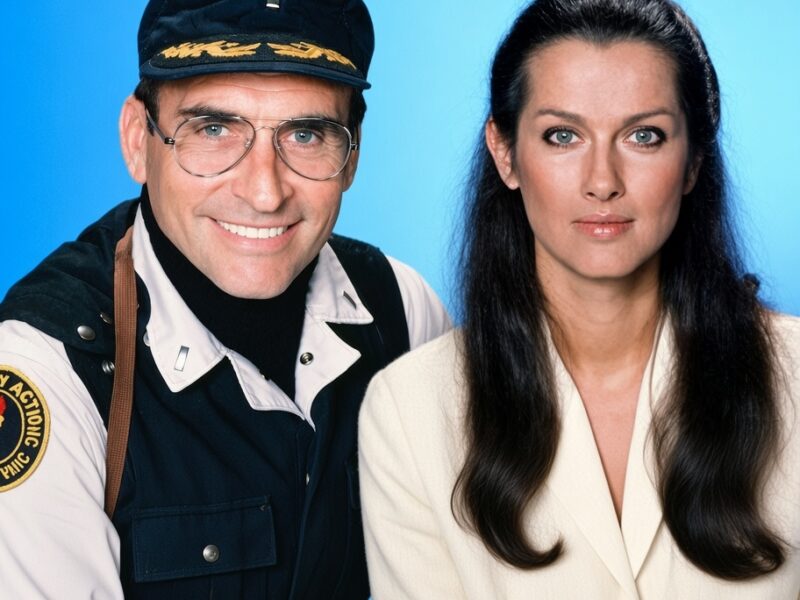
Who Has Died, Who Reinvented Themselves, and the Heartbreaking Truth Behind TV’s Most Unforgettable Precinct
Hill Street Blues did not give us heroes who always won.
It gave us tired people, broken systems, and the painful truth that doing the right thing often comes too late.
That is why looking back hurts now.
The chaos of that precinct stayed frozen on screen, but the people who carried it did not.
Some kept fighting long after the cameras stopped.
Some disappeared into quieter lives.
And some are now gone.
This is Hill Street Blues, then and now.
And what cuts deepest is not just how much they changed, but how much of life they seem to carry even back then.
Captain Frank Furillo: The Weary Conscience
Frank Furillo is the weary conscience of Hill Street Blues.
He is the precinct commander who holds everything together while the system around him keeps threatening to come apart.
He was played by Daniel J. Travanti, born March 7, 1940.
Travanti was 41 when the series began in 1981.
He gave Furillo the kind of still, intelligent authority that made every scene feel heavier the moment he stepped into it.
Furillo is not written as a loud hero.
He is patient, morally pressured, and often exhausted.
He is constantly forced to balance politics, crime, broken officers, and his own private life without letting the whole station lose its center.
That is what made him so memorable.
He leads not with swagger, but with judgment, restraint, and the painful knowledge that doing the right thing rarely solves everything.
Travanti’s performance earned him two consecutive Primetime Emmy Awards and a Golden Globe, and the show itself became one of television’s defining police dramas.
After Hill Street Blues, he continued acting in television and film, though Furillo remained the role most closely tied to his legacy.
In 2026, he is 86 and still remembered as one of television’s great dramatic commanders.
Frank Furillo endures because Travanti made leadership feel lonely, principled, and deeply human.
Officer Bobby Hill: Quiet Integrity
Bobby Hill is one of the steadier hearts of the series.
He is the patrol officer whose decency and professionalism help keep the show grounded, even when the city around him feels chaotic.
He was played by Michael Warren, born March 5, 1946.
Warren was 35 when the show premiered in 1981.
He brought Bobby a calm strength that made him instantly believable as both a good cop and a good man.
What makes Bobby last is that he is not built out of gimmicks.
He is thoughtful, moral, dependable, and often caught in the difficult space between duty and compassion.
His partnership with Andy Renko gave the show one of its best human dynamics.
Hill’s patience and integrity played perfectly against Renko’s rougher edges.
Through Bobby, the series could explore race, community, and the emotional strain of policing without losing its realism.
Before acting, Warren had been a standout college basketball player at UCLA.
He won two NCAA titles alongside Lew Alcindor, later known as Kareem Abdul-Jabbar, and that history gave him a natural physical confidence on screen.
After Hill Street Blues, he kept working across television, especially in legal and dramatic series.
In 2026, he is 80.
Bobby Hill remains memorable because Warren made quiet integrity feel strong enough to survive the noise around it.
Detective Mick Belker: The Wild Edge
Mick Belker is the wild edge of Hill Street Blues.
He is the undercover detective who looks like pure chaos until you realize how much heart is hiding under the growl.
He was played by Bruce Weitz, born May 27, 1943.
Weitz was 38 when the series began in 1981.
He gave Belker one of the most unforgettable presences in the whole precinct.
Belker is rough, unpredictable, aggressive, and often seems built from the city itself.
But that is exactly why the role works.
Beneath the feral energy is deep loyalty, emotional intelligence, and a tenderness that appears when you least expect it.
That contrast made him far more than comic relief or a street cop cliché.
Weitz’s performance was so distinctive that it earned him an Emmy Award.
Even decades later, Belker remains one of the show’s most instantly recognizable characters.
After Hill Street Blues, Weitz continued working in television, film, and voice acting, carrying that same unusual intensity into a long career.
In 2026, he is 83.
Mick Belker endures because Weitz made roughness feel human, and that humanity is what still sneaks up on you.
Officer Henry Goldblume: Empathy as Strength
Henry Goldblume is the thoughtful conscience of the series.
He is the officer who often seems more interested in understanding people than overpowering them.
He was played by Joe Spano, born July 7, 1946.
Spano was 35 when the series began in 1981.
He brought Goldblume a quiet intelligence that made him one of the show’s most human presences.
Goldblume is not defined by swagger or aggression.
He is patient, compassionate, and often guided by social awareness rather than force.
That gave the series a different kind of police officer than television had usually offered.
And that difference matters.
In a show full of pressure, violence, and institutional tension, Goldblume feels like someone still trying to protect the moral center of the job.
Spano’s calm performance gave the role real depth.
After Hill Street Blues, he built a long and respected career in television, especially through recurring dramatic work, including NCIS.
In 2026, he is 80 and still widely recognized as one of television’s most dependable character actors.
Henry Goldblume endures because Spano made empathy feel strong, and Hill Street Blues was wise enough to know that mattered.
Detective Neal Washington: Decency, Lived In
Neal Washington is one of the show’s warmest and strongest detectives.
He is the kind of officer who can carry humor, authority, and street-level realism without ever losing his humanity.
He was played by Taurean Blacque, born May 10, 1940.
Blacque was 41 when the series began in 1981.
He gave Washington a grounded confidence that made the character instantly likable.
Washington’s partnership with J.D. LaRue gave the show one of its richest dynamics.
His steadiness, wit, and professionalism played beautifully against LaRue’s messier energy.
Neal is tough when he needs to be, but he never feels hardened into emptiness.
That is what makes him last.
Blacque brought emotional warmth to the role.
Outside the series, he remained active in acting, theater, and public advocacy, especially around adoption and family support.
He died on July 21, 2022, at the age of 82.
Neal Washington remains unforgettable because Blacque made decency feel lived in, not idealized, and in a precinct full of stress and compromise, that kind of presence becomes something people remember.
Detective J.D. LaRue: Damage Made Charismatic
J.D. LaRue is one of the show’s most complicated men.
He is the detective whose charm, sharp instincts, and unraveling personal flaws make him impossible to dismiss.
He was played by Kiel Martin, born July 26, 1944.
Martin was 37 when the series began in 1981.
He played LaRue with exactly the kind of easy charisma that makes self-destruction more painful to watch.
LaRue is funny, capable, and often deeply human.
But he is also haunted by alcoholism, selfishness, and a life that keeps threatening to slide out of control.
What makes the character work is that the show never reduces him to one trait.
He can be reckless and still deeply loyal.
He can be weak and still effective.
Martin carried all of that with a lived-in sadness that made LaRue more than just another flawed TV cop.
After the show, he continued acting, but his life was cut tragically short.
He died on December 28, 1990, at the age of 46, from lung cancer.
J.D. LaRue remains unforgettable because Martin made damage look charismatic, and then slowly let the cost of that damage show through.
Officer Lucy Bates: Competence as Character
Lucy Bates is one of the women who helped Hill Street Blues feel modern.
She is the police officer who brought toughness, professionalism, and emotional credibility into a precinct still shaped by male authority.
She was played by Betty Thomas, born July 27, 1948.
Thomas was 33 when the series began in 1981.
She gave Lucy a steady resilience that made her stand out immediately.
Lucy is competent, strong-willed, and often forced to prove herself in an environment that does not make that easy.
That pressure gives the role real energy.
She is not there to symbolize progress.
She is there to survive the job, do it well, and make herself impossible to overlook.
Thomas played her with a mix of grit and feeling that gave the character staying power.
After Hill Street Blues, she reinvented herself in remarkable fashion as a successful director, guiding films like Private Parts and Dr. Dolittle and building an entirely new legacy behind the camera.
She died on March 6, 2025, at the age of 76.
Lucy Bates endures because Thomas turned competence into character and later proved that reinvention could be its own kind of triumph.
Officer Andy Renko: The Heart Beneath the Edge
Andy Renko is one of the precinct’s toughest and most emotionally readable officers.
He is the cop whose rough edges never fully hide how much he cares beneath them.
He was played by Charles Haid, born June 2, 1943.
Haid was 38 when the series began in 1981.
He gave Renko a rough, stubborn energy that made him feel instantly authentic.
Andy can be hardheaded, impulsive, and openly frustrated with the world around him.
But that is part of what gives him weight.
He feels like someone shaped by the daily strain of the job, not an idealized version of it.
His partnership with Bobby Hill gave the show one of its most believable friendships.
Renko’s edge and Hill’s calm constantly pulled against each other in ways that felt lived in rather than scripted.
After Hill Street Blues, Haid built an impressive second career as a television director.
He worked on major series like NYPD Blue, ER, and Criminal Minds.
In 2026, he is 83.
Andy Renko remains memorable because Haid made anger feel human, and beneath all the noise, you could still see the heart trying to do the right thing.
Lieutenant Ray Calletano: Quiet Authority
Ray Calletano is one of the show’s quieter pillars.
He is a lieutenant whose professionalism and authority helped broaden what television audiences were used to seeing in police leadership.
He was played by René Enriquez, born November 24, 1933.
Enriquez was 47 when the series began in 1981.
He gave Calletano a calm command that made the role feel deeply credible.
At a time when Latino representation in positions of authority on American television remained limited, Calletano mattered.
He was competent, respected, and emotionally grounded.
The show allowed him to carry institutional responsibility without flattening him into a stereotype.
Enriquez brought dignity and precision to the role, and those qualities made even smaller moments feel substantial.
Outside Hill Street Blues, he worked steadily in television and film, continuing a career shaped by strong supporting work.
He died on March 23, 1990, at the age of 56, from pancreatic cancer.
Ray Calletano remains memorable because Enriquez brought quiet authority to a show full of louder personalities, and sometimes it is that steadiness that lingers longest after the credits roll.
Officer Joe Coffey: Physical Confidence, Grounded
Joe Coffey is one of the younger forces in Hill Street Blues.
He is the patrol officer whose physical presence, confidence, and straightforward loyalty made him stand out in a precinct crowded with stronger personalities.
He was played by Ed Marinaro, born March 31, 1950.
Marinaro was 31 when the series began in 1981.
He brought Coffey exactly the kind of athletic confidence the role needed.
That makes sense, because before acting, Marinaro had already been a major football star.
He finished second in the Heisman Trophy race in 1971.
On screen, Coffey is not only about toughness.
He also carries a certain decency and ease with his fellow officers that helps the role feel more complete.
His dynamic with Lucy Bates added warmth and credibility to the series’ patrol world relationships.
His screen presence always suggested someone still trying to do the job honestly.
After Hill Street Blues, Marinaro remained active in television and entertainment, often balancing acting with his sports legacy and public appearances.
In 2026, he is 76.
Joe Coffey remains memorable because Marinaro made physical confidence feel grounded, not flashy, and that gave the role lasting appeal.
Fay Furillo: Personal Conflict, Real Stakes
Fay Furillo is one of the emotional complications that helps make Hill Street Blues feel more adult than many police dramas before it.
She was played by Barbara Bosson, born November 1, 1939.
Bosson was 42 when the series began in 1981.
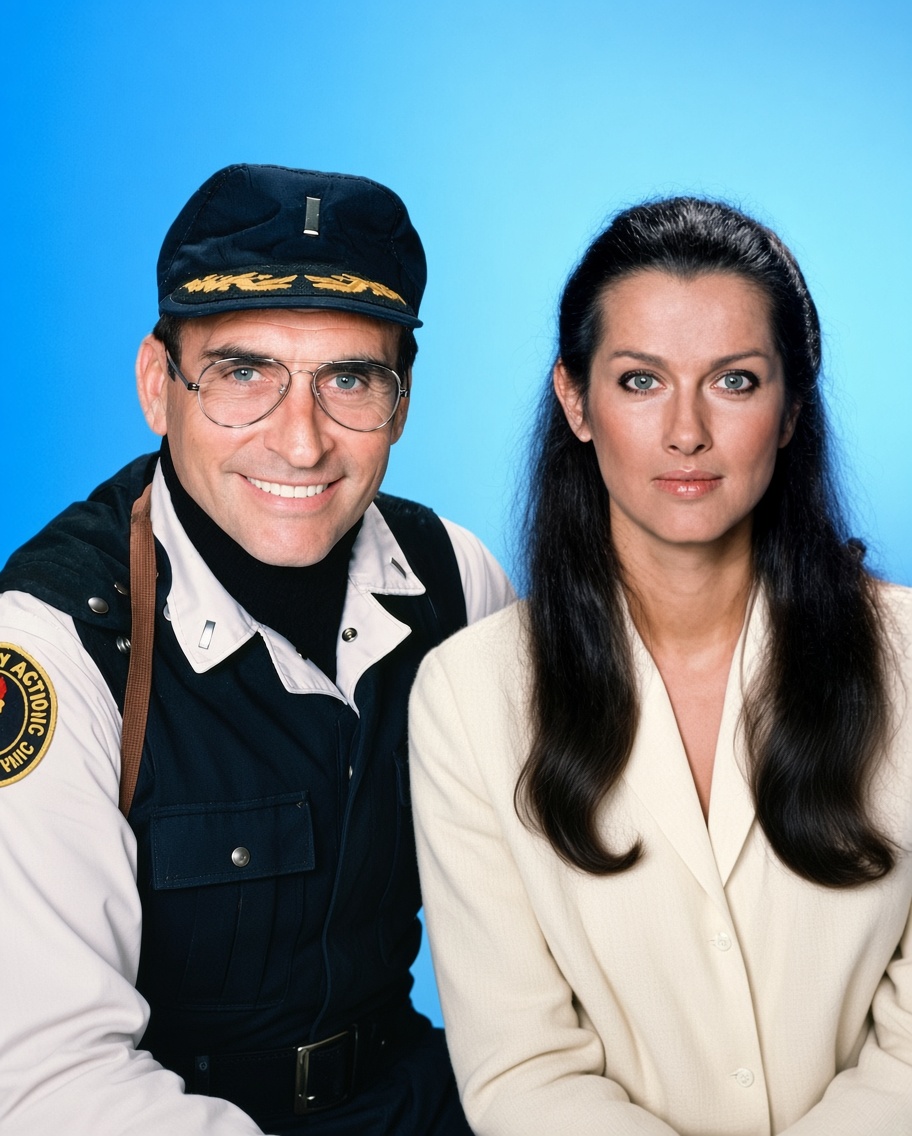
She gave Fay the kind of intensity that turns personal scenes into moral pressure points.
Fay is not just Frank Furillo’s ex-wife.
She is a woman with convictions, feelings, frustrations, and her own sense of what justice should look like.
That means she often challenges Frank in ways no one else can.
Bosson played her with intelligence and heat.
The result was a character who could feel tender one moment and deeply confrontational the next.
That emotional volatility gave the show real personal stakes beyond the station house.
After Hill Street Blues, Bosson continued working in television and remained closely associated with creator Steven Bochco’s dramatic world.
She died on February 18, 2023, at the age of 83.
Fay Furillo remains memorable because Bosson made personal conflict feel just as consequential as professional conflict, and that is part of what made the show feel so alive.
Sergeant Phil Esterhaus: The Fatherly Center
Phil Esterhaus is the fatherly center of early Hill Street Blues.
He is the desk sergeant whose calm leadership and humane authority gave the precinct its daily rhythm.
He was played by Michael Conrad, born October 16, 1925.
Conrad was 56 when the series began in 1981.
He brought Esterhaus something unforgettable.
Steadiness.
Phil is not dramatic in the flashy sense.
He is wise, observant, quietly humorous, and deeply trusted.
That is what makes the role so powerful.
When he tells the officers, “Let’s be careful out there,” it does not sound like a catchphrase.
It sounds like real care.
Conrad’s performance earned him two Emmy Awards.
His death during the series was one of the earliest moments television audiences truly felt how deeply a show could mourn one of its own.
He died on November 22, 1983, at the age of 58, from cancer.
Phil Esterhaus endures because Conrad made leadership feel paternal without ever making it soft, and in a show built on stress, that kind of calm became sacred.
Chief Fletcher Daniels: The Pressure From Above
Fletcher Daniels is the bureaucratic pressure above the precinct.
He is the police chief whose ambition, politics, and administrative priorities often collide with the harder realities Furillo faces on the street.
He was played by Jon Cypher, born January 13, 1932.
Cypher was 49 when the series began in 1981.
He played Daniels with the kind of polished authority that makes institutional conflict feel real.
What makes Daniels work is that he is not simply written as a villain in a suit.
He represents the larger machinery around law enforcement.
The part concerned with optics, power, procedure, and career survival.
That tension gives Hill Street Blues a broader realism, because it reminds the audience that the precinct’s problems do not end at the front desk.
Cypher had a long and versatile career before and after the show, working in television, film, and stage, often in roles requiring intelligence and quiet command.
In 2026, he is 94 and retired from acting, with a long legacy stretching well beyond one role.
Fletcher Daniels remains memorable because Cypher made bureaucracy feel human enough to understand and frustrating enough to fear.
Irwin Bernstein: Institutional Frustration, Nobly Worn
Irwin Bernstein is one of the legal voices that helps Hill Street Blues feel like a full system rather than just a police station.
He was played by George Wyner, born October 20, 1945.
Wyner was 37 when he began playing Bernstein.
He gave the role a perfect blend of intelligence, frustration, and moral seriousness.
Bernstein often exists at the intersection of law and exasperation.
He is the man trying to uphold process while surrounded by cops, criminals, and civic disorder that rarely fit neatly inside process at all.
That is why he works so well.
He feels tired, smart, and committed in equal measure, which makes him memorable even when he is not the loudest person in the room.
Wyner went on to build a long career in television and film, becoming one of those familiar faces who can bring authority, comic dryness, or legal precision to almost any project.
In 2026, he is 80 and still respected as a consummate character actor.
Irwin Bernstein remains memorable because Wyner made institutional frustration feel oddly noble, and in Hill Street Blues, nobility often had to survive under pressure.
Sergeant Stan Jablonski: Replacing the Irreplaceable
Stan Jablonski steps into Hill Street Blues carrying one of the hardest jobs in the series.
He has to follow Phil Esterhaus while bringing a completely different energy to the desk.
He was played by Robert Prosky, born December 13, 1930.
Prosky was 54 when he joined the show in 1984.
He wisely never tried to replace what came before.
Instead, he gave Jablonski a gruffer, harder, more combative authority.
Where Esterhaus felt fatherly, Jablonski felt like a man who had survived too much to romanticize the job.
That change mattered.
It gave the precinct a different emotional weather and helped the series keep evolving instead of repeating itself.
Prosky was already a highly respected stage and character actor before joining the cast.
After the show, he became even more widely known through films like The Natural, Broadcast News, and Mrs. Doubtfire.
He died on December 8, 2008, at the age of 77, from complications following heart surgery.
Stan Jablonski remains memorable because Prosky understood that replacing a beloved presence only works if you bring a whole new kind of truth with you.
Detective Norman Buntz: The Late-Arriving Jolt
Norman Buntz is the show’s late-arriving jolt of rough energy.
He is the detective whose gruff instincts, impatience, and raw force helped reshape the precinct in the later years.
He was played by Dennis Franz, born October 28, 1944.
Franz was 39 when he first appeared in the series.
He brought Buntz exactly the hard-edged realism that made the character pop immediately.
Buntz is not polished, and he is not especially interested in being liked.
He is sharp, streetwise, cynical, and often seems built to grind directly against the system around him.
That friction is what made him so compelling.
Franz understood how to play difficult men without making them one-dimensional, and that skill would define the rest of his career.
Buntz became popular enough to lead the spin-off Beverly Hills Buntz.
Franz later reached even greater acclaim as Andy Sipowicz on NYPD Blue, winning multiple Emmys and becoming one of television’s defining dramatic cops.
In 2026, he is 81 and long retired from acting.
Norman Buntz remains unforgettable because Franz made roughness feel intelligent, and that combination is hard to fake.
Detective Harry Garibaldi: Ambition Under Pressure
Harry Garibaldi is one of the younger detectives who arrives with ambition, impatience, and the feeling of someone still trying to prove he belongs in the larger machinery around him.
He was played by Ken Olin, born July 30, 1954.
Olin was 30 when he joined the show.
He brought Garibaldi exactly the mix of drive and uncertainty that made the character feel alive.
Harry is capable, committed, and eager.
But that eagerness can tip into impulsiveness, which gives the role texture.
He feels like a man still becoming himself under pressure.
Olin’s screen presence made that transition believable, and although his time on the show was comparatively brief, he left a strong impression.
After Hill Street Blues, Olin went on to major success as an actor in thirtysomething.
Then he built an even more influential career behind the camera as a director and producer.
His credits include Brothers & Sisters, This Is Us, and Only Murders in the Building.
In 2026, he is 72 and remains active in television production.
Harry Garibaldi remains memorable because Olin made youth inside the institution feel ambitious, uncertain, and real.
Joyce Davenport: Justice, Made Personal
Joyce Davenport is one of the show’s most important moral counterweights.
She is the public defender who stands just outside the police world and constantly reminds it that justice and law are not always the same thing.
She was played by Veronica Hamel, born November 20, 1943.
Hamel was 38 when the series began in 1981.
She gave Joyce intelligence, steel, and emotional depth that made the role far more than the woman connected to Furillo.
Joyce is sharp, principled, and deeply committed to defending people the system often wants to move past.
That automatically creates tension with the precinct, and especially with Frank, which is exactly what makes their relationship so strong.
She challenges him not just romantically, but morally.
Hamel played Joyce with enough warmth to make her human and enough firmness to make her formidable.
After Hill Street Blues, she continued working steadily in television and film, later becoming more selective and increasingly private with age.
In 2026, she is 82.
Joyce Davenport remains unforgettable because Hamel made justice feel personal, not abstract, and that gave the series one of its deepest emotional arguments.
Lieutenant Howard Hunter: Discipline, Made Funny
Howard Hunter is one of Hill Street Blues’ strangest and most entertaining contradictions.
He is a man so rigid, tactical, and military-minded that he somehow becomes both intimidating and hilarious at the same time.
He was played by James B. Sikking, born March 5, 1934.
Sikking was 47 when the series began in 1981.
He gave Hunter exactly the disciplined absurdity that made the character unforgettable.
Hunter could easily have become a cartoon of law-and-order obsession, but Sikking always kept him anchored in professionalism.
That is why the humor worked.
He was not joking.
Howard Hunter truly believed in every overserious, overprepared instinct he had.
His presence gave the show a unique kind of comic tension.
He was the man who could turn any hallway into a tactical briefing.
After Hill Street Blues, Sikking remained a familiar television face.
He later gained new recognition as Dr. David Howser on Doogie Howser, M.D., and continued a long career across drama and character work.
He died on July 13, 2024, at the age of 90.
Howard Hunter remains memorable because Sikking knew how to make discipline funny without ever making it feel fake.
Roll Call Ends
Just like that, the roll call ends, and the precinct grows quiet again.
The sirens fade.
The tension still lingers, and Hill Street Blues still feels painfully real.
But time changed the people behind that exhaustion, courage, and heartbreak in ways the series never could.
Some kept going.
Some carried private battles.
And some are now gone.
Which Hill Street Blues character stays with you the most?
Furillo, Esterhaus, Joyce, Belker, or one of the faces who made that precinct feel painfully human?
Tell us in the comments.
And stay with us for more then-and-now journeys through the stories that never stop haunting us.









