
What Happened to the All in the Family Cast? Where They Are in 2026, and the Legends We’ve Lost
Picture a small living room in Queens.
Two armchairs, a worn sofa, and a front door that never stays quiet for long.
Behind that door, an entire country once sat down every week to watch a family argue about everything it was afraid to say out loud.
Archie shouted.
Michael shouted back.
And somewhere between the punch lines and the pain, America found itself laughing at fights that felt painfully close to real life.
But here is the part nobody warned us about.
While Archie, Edith, Gloria, and Michael stayed frozen inside that famous living room, the actors behind them walked out into very different futures.
Some became legends.
Some reinvented themselves so completely that younger fans barely connect them to the show.
Some quietly disappeared from the spotlight, and many of them are no longer here at all.
So what really happened after the argument stopped?
Let’s open that front door one more time and find out.
The Heart That Held the Whole House Together
Every loud household needs one person who refuses to stop caring, and in the Bunker home, that person was Edith.
Jean Stapleton was 48 when the series premiered in 1971, and she turned what could have been a simple, sweet wife character into one of television’s most quietly powerful performances.
Edith was nervous, kind, patient, and often underestimated.
But she was never empty, and she was never foolish.
While Archie raised his voice and Michael pushed back, Edith listened.
She noticed what everyone else missed, and when she finally spoke honestly, her words could cut through the noise more effectively than any shouting match.
Stapleton understood that Edith’s strength came from compassion, not control.
Choosing kindness did not make her weak.
In some of the show’s most emotional moments, Edith revealed a courage, dignity, and moral clarity that Archie himself did not always possess.
That contrast made her essential, because she was the warmth that kept the Bunker household human even when the conversations turned uncomfortable.
Jean Stapleton passed away in 2013 at the age of 90.
Her work as Edith earned her three Emmy Awards and made the character one of the most beloved figures of 1970s television.
After the series, Stapleton returned often to stage work and took selective screen roles, including Eleanor, First Lady of the World, which showed a more commanding side of her range.
Edith endures because Stapleton proved that strength does not always need volume.
Sometimes the strongest person in the room is simply the one who refuses to stop caring.
The Thunder at the Center of It All
If Edith was the heart, Archie was the storm.
Loud, stubborn, opinionated, and so completely convinced of his own worldview that almost every conversation became a battle.
Carroll O’Connor was 47 when the series began in 1971, and his performance gave Archie something that made the character far more complicated than a simple bigot or comic villain.
Humanity.
Archie could be ignorant, cruel, defensive, and impossible to reason with.
Yet O’Connor never played him as a cartoon.
Beneath the shouting was a man frightened by a world that was changing faster than he could understand.
He clung to old ideas because change felt like losing control, and that fear gave the character a painful familiarity.
His arguments with Michael became the engine of the series.
But the quieter moments with Edith revealed another side of him.
Archie did love his family, even when pride, prejudice, and emotional awkwardness made that love almost impossible to express.
O’Connor’s brilliance was making viewers laugh at Archie, grow frustrated with him, and occasionally understand where the fear beneath his anger came from, all without excusing the damage he could cause.
Carroll O’Connor passed away in 2001 at the age of 76.
His portrayal of Archie earned him four Emmy Awards, and he carried the character forward into Archie Bunker’s Place.
Later, he showed a very different kind of authority as Chief Bill Gillespie in In the Heat of the Night, proving how far his range extended beyond one famous armchair.
Archie endures because O’Connor made discomfort unforgettable.
He created a man audiences could argue with, laugh at, recognize, and never completely leave behind.
The Young Fire Who Could Not Let Anything Slide
Every storm needs something to push against, and Archie had Michael.
Rob Reiner was 24 when All in the Family began in 1971, and that youth gave Michael the restless energy the role demanded.
He represented a generation that no longer wanted to accept old beliefs simply because they had been repeated for years.
His clashes with Archie became some of the show’s defining moments, mostly because neither man knew how to retreat gracefully.
Michael could be intelligent and progressive.
He could also be smug, impatient, and just as convinced of his own righteousness as Archie was of his.
That contradiction kept him human.
The series never treated him as the perfect answer to Archie.
Instead, he became another complicated voice inside the family, pushing for change while sometimes failing to see his own blind spots.
His relationship with Gloria forced him to face the gap between political ideals and everyday behavior.
In 2026, the source puts Rob Reiner at 79.
His work as Michael earned him two Emmy Awards, but his career later expanded dramatically behind the camera.
He became a major director, with films including Stand by Me, The Princess Bride, When Harry Met Sally, and A Few Good Men.
Michael endures because Reiner made generational conflict funny without making it simple.
He reminds us that change often arrives loudly, awkwardly, and through people who are still learning how to live by the principles they argue for.
The Daughter Caught Between Two Stubborn Men
Gloria lived in the most uncomfortable seat in the house.
She sat between two men who were both certain they understood the world better than anyone else.
Sally Struthers was 24 when she became Gloria, and she brought sweetness, frustration, humor, and enough independence to keep the character from being just Archie’s daughter or Michael’s wife.
Gloria loved her father, but she did not excuse him.
She loved Michael, but she was willing to challenge him too.
That made her the emotional bridge of the family without turning her into a passive peacekeeper.
She was trying to grow into her own identity while the men around her kept turning personal life into ideological conflict.
Struthers gave Gloria vulnerability, but she also gave her sharp comic timing and a strong sense that the character was learning when affection requires resistance.
The role mattered because Gloria could see both sides closely enough to understand their weaknesses.
In 2026, the source puts Sally Struthers at 78.
Her portrayal of Gloria earned her two Emmy Awards.
After the series, she kept working across television, voice acting, and stage productions, and later audiences also knew her from Gilmore Girls.
Gloria endures because Struthers made family loyalty complicated.
She showed that loving someone does not mean agreeing with them, protecting them from criticism, or letting them decide who you become.
Sometimes love is strong enough to stay in the room and still say no.
The Neighbor Who Brought a New Kind of Dignity
Then a new family moved in next door, and the show was never quite the same.
Louise Jefferson brought a calm strength into All in the Family that became even more striking beside George Jefferson’s explosive personality.
Isabel Sanford was 54 when she first appeared as Louise, and she gave “Wheezy” a warmth and dignity that never required her to dominate a scene.
Louise understood George better than almost anyone.
That meant she knew when to challenge him, when to ignore his bluster, and when a single look would accomplish more than an argument.
She was patient, but never passive.
Her strength came from emotional control and the confidence of someone who did not need to prove she belonged in the room.
That made her a powerful contrast, not only to George but to the larger world of the show, where so many people tried to win through volume.
Louise rarely needed that kind of force.
She became memorable because she could remain graceful without becoming invisible.
Her character later grew into an even larger television legacy through The Jeffersons, where the marriage between Louise and George became central to one of the defining sitcom families on the air.
Isabel Sanford passed away in 2004 at the age of 86.
Her portrayal of Louise made television history when she became the first Black woman to win the Primetime Emmy Award for Outstanding Lead Actress in a Comedy Series.
That achievement reflected what Sanford had been doing all along, turning restraint into strength and warmth into authority.
Louise endures because Sanford proved that a character does not have to shout to command attention.
Sometimes the person speaking least is the one holding the whole family together.
The Man Who Refused to Shrink
And then there was George.
Sherman Hemsley was 35 when he first stepped into the role, and almost immediately George became one of the most distinctive personalities in the show’s expanding world.
He was proud, impatient, ambitious, funny, defensive, and completely unwilling to make himself smaller to keep other people comfortable.
That refusal was part of what made him so compelling.
George had worked hard to rise, and he wore that achievement like armor.
His sharp tongue could make him abrasive, but beneath the strut was a man deeply aware of what it costs to build a better life.
That complexity kept him from becoming just another loud comic figure.
His clashes with Archie were especially memorable because the two men mirrored each other in uncomfortable ways.
Both were proud, both were stubborn, and both were convinced they understood the world better than the person standing across from them.
George eventually became too large for a supporting role and moved into The Jeffersons, where his family story became one of television’s greatest sitcom successes.
Sherman Hemsley passed away in 2012 at the age of 74.
After The Jeffersons, he found another major television role in Amen and stayed associated with the kind of explosive comic timing that made George unforgettable.
Yet his best moments often came when the ego cracked and affection showed through underneath.
George endures because Hemsley made ambition human.
He could be irritating, hilarious, vulnerable, and proud within the same scene, a man determined to make sure success never required silence.
The Smartest Person in the Room Never Had to Say So
Lionel Jefferson often seemed like the sharpest mind in any room, partly because he knew he did not have to announce it every five minutes.
Mike Evans was 22 when he first played Lionel, and he gave the character a cool intelligence that made his exchanges with Archie especially satisfying.
Lionel understood exactly how Archie saw him.
But instead of always meeting prejudice with anger, he often used calm humor and sharp timing to expose the foolishness underneath it.
That approach gave him unusual power.
He could disarm Archie without becoming as loud as Archie, and that made his presence feel modern even decades later.
Lionel also mattered because he was ambitious and self-aware, and he refused to be reduced to anyone else’s expectations.
He belonged to a younger generation of Black characters on television who were allowed to be intelligent, confident, funny, and complicated instead of merely symbolic.
His place in both All in the Family and The Jeffersons helped connect two major sitcom worlds while widening what television families could look like.
Mike Evans passed away in 2006 at the age of 57 after throat cancer.
Beyond playing Lionel, he also helped create Good Times, another landmark series centered on a Black family and the realities surrounding them.
That contribution makes his television legacy far larger than one role.
Lionel endures because Evans made intelligence look effortless.
A smile, a pause, or one perfectly chosen line could expose the entire room, and that made him a quiet landmark in television history, revolutionary without ever announcing himself as one.
The Brother Who Spoke in a Quieter Voice
Not every Jefferson fought with volume.
Henry Jefferson brought a quieter kind of authority into a television world where loudness was often mistaken for strength.
Mel Stewart was 42 when he first appeared as Henry, George Jefferson’s brother, and he gave the character a calm dignity that immediately set him apart from George’s explosive personality.
Where George pushed forward with ambition and irritation, Henry carried himself with steadier control.
That contrast added depth to the Jefferson family, because it showed that strength can take very different forms, even among people shaped by similar experiences.
Henry did not need to dominate an argument to make his point.
Sometimes his disappointment or quiet judgment carried more force than a shouted response ever could.
Stewart’s grounded performance made Henry feel like part of a larger family history, not another supporting figure introduced for plot convenience.
Mel Stewart passed away in 2002 at the age of 72 after cancer.
Beyond All in the Family, he built a long career across television and film, including appearances in Scarecrow and Mrs. King and many other supporting roles that benefited from his reliable presence.
Henry remains a meaningful part of the show’s expanding world because he represents a different model of Black male authority than George.
He endures because Stewart made restraint powerful.
In a series where almost everyone eventually raises their voice, Henry reminds us that calm can cut deeper, and that a strong man does not always need to announce himself before entering the room.
The Neighbor Who Lived the Change Instead of Debating It
Archie had a talent for meeting people his old assumptions were never prepared to handle, and Irene Lorenzo was one of them.
Betty Garrett was 54 when she first appeared as Irene, bringing decades of stage and screen experience to a role that required warmth, confidence, and backbone.
Irene was practical, capable, and modern without needing to announce herself as a symbol of change.
She simply lived it.
She could challenge Archie, stand beside Edith, and push against traditional ideas about gender without turning every interaction into a formal debate.
That made her feel natural.
She represented a different kind of pressure on Archie’s worldview, because she was not interested in asking permission to be competent.
Garrett played her with humor instead of hostility, letting the character’s independence emerge through everyday behavior.
Irene felt ahead of her time because she did not treat equality as a theory.
She treated it as ordinary life.
Betty Garrett passed away in 2011 at the age of 91 after an aortic aneurysm.
Before All in the Family, she had already built a rich career in Hollywood musicals and theater.
Later audiences also knew her from Laverne & Shirley, where she brought the same grounded comic warmth to another generation of viewers.
Irene endures because Garrett made social change feel personal instead of abstract.
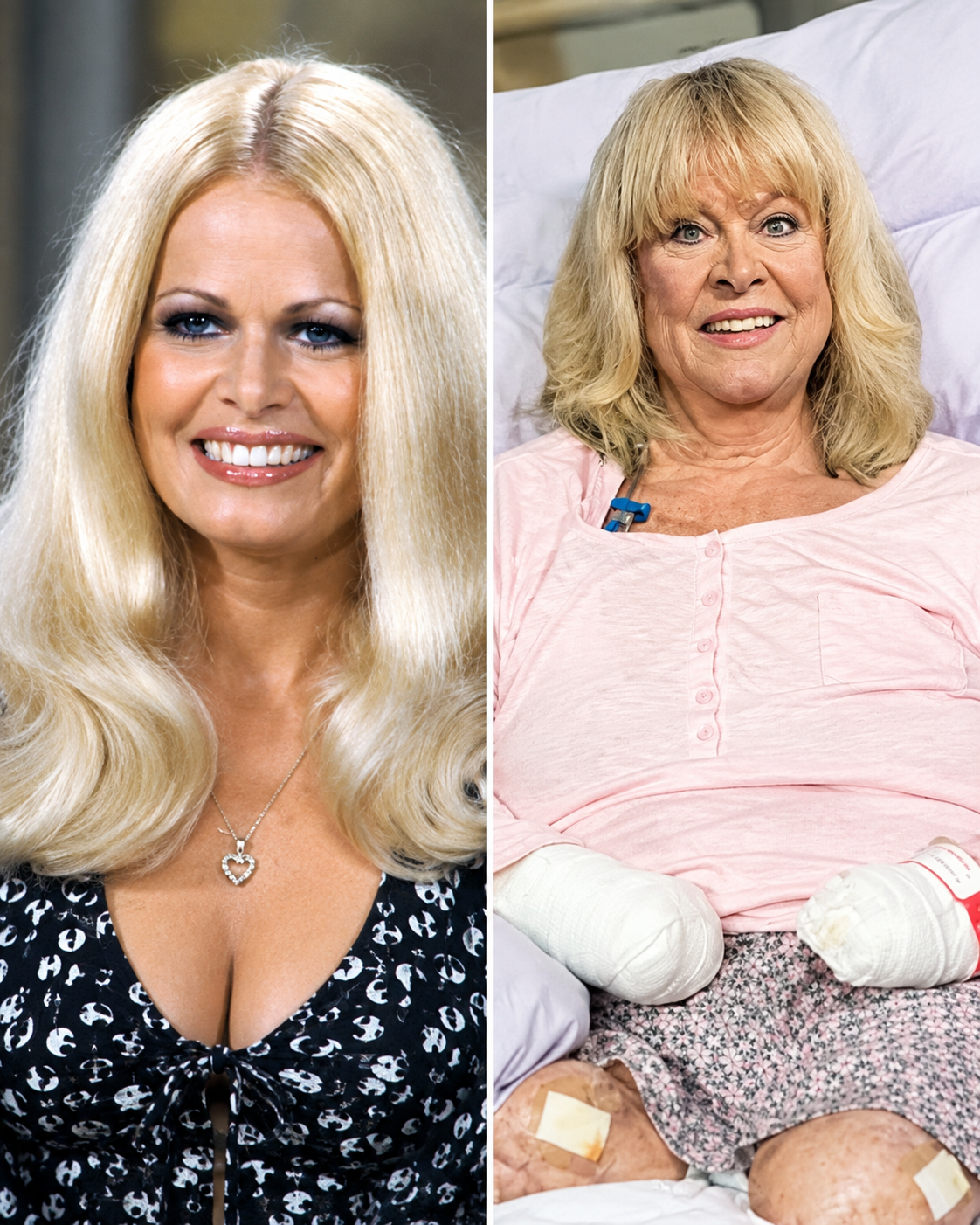
She is the neighbor who smiles, joins the conversation, and then quietly says the thing everyone else has been avoiding.
In a show full of arguments, that kind of calm challenge could be every bit as disruptive as shouting.
The Husband Who Had to Adjust Whether He Liked It or Not
Frank Lorenzo felt like a man who would rather finish the day than turn every disagreement into a philosophy lesson.
Vincent Gardenia was 51 when he joined the series as Frank, and he gave the role a blunt, lived-in humanity that fit naturally beside Archie’s more explosive personality.
Frank shared some old-fashioned instincts, but he never simply duplicated Archie.
He felt more tired than combative, more practical than ideological.
His relationship with Irene created a useful contrast, because their marriage showed social change happening inside everyday domestic life.
Irene’s independence did not arrive as a national debate.
It arrived at home, where Frank had to adjust whether or not he felt ready.
Gardenia gave him enough warmth and frustration that those tensions felt familiar instead of symbolic.
Frank became one of the show’s quieter examples of how changing attitudes can reach ordinary couples who never expected their kitchen conversations to become part of a cultural shift.
Vincent Gardenia passed away in 1992 at the age of 72.
His career extended far beyond the sitcom, including Academy Award nominations for Bang the Drum Slowly and Moonstruck.
He could move between comedy, tenderness, irritation, and heartbreak with remarkable ease.
Frank endures because Gardenia made social discomfort feel domestic.
He reminds us that change does not only happen in elections, speeches, or television arguments.
Sometimes it happens between two people who love each other and discover that the rules they once assumed were permanent are no longer holding.
The Child Who Changed What Archie Was Allowed to Feel
Late in the story, a little girl walked into Archie’s life and forced him into emotional territory he had spent years avoiding.
Danielle Brisebois was only nine when she joined the series as Stephanie Mills, and that youth gave the character a vulnerability that cannot be manufactured.
Stephanie was not inserted as a cute child to soften the show.
She arrived carrying hurt, uncertainty, and the need for a stable home, which placed Archie in a role he did not naturally know how to perform.
He had to become protective without turning the feeling into a speech, and affectionate without knowing how to admit it.
That tension gave their relationship its power.
Stephanie was smart enough to see through him and vulnerable enough to need him anyway.
Through her, the audience watched Archie reveal tenderness in the only way he knew how, awkwardly, defensively, and often hidden beneath complaints.
Her presence became one of the show’s softer late chapters, proof that even a man built around resistance can change when another person depends on him.
In 2026, the source puts Danielle Brisebois at 56.
After her sitcom years, she built a very different career in music, becoming a successful songwriter and producer with major pop credits, including work connected to Natasha Bedingfield’s “Unwritten.”
That second act carried her far beyond the identity of a former child star.
Stephanie endures because Brisebois gave Archie a reason to reveal something the series always suspected was there.
Love buried beneath fear, habit, and emotional clumsiness.
Sometimes change does not arrive through argument.
Sometimes it arrives because a child needs a home.
The Woman Who Walked In and Made the Old Rules Look Old
Some characters change a scene the moment they enter it, and Teresa Betancourt was one of them.
Liz Torres was 29 when she played Teresa, and she gave the character warmth, intelligence, humor, and enough self-possession to challenge Archie without turning every scene into a lecture.
Teresa mattered because she felt like cultural change arriving naturally, not symbolically.
She did not need to announce that the world was becoming different.
She simply existed as someone Archie’s old categories could not comfortably contain.
She could joke with him, correct him, push back, and still keep the scene human.
That is what made the character so effective.
Teresa did not shrink herself to protect his comfort, but she also did not become defined entirely by fighting him.
Torres gave her a sense of life beyond the argument, which made the challenge she represented feel more real.
In 2026, the source puts Liz Torres at 78.
After All in the Family, she built a long career across comedy and drama, earning Emmy nominations and later becoming familiar to younger audiences as Miss Patty on Gilmore Girls.
Teresa remains a smaller piece of that career, but an important part of the series’ wider social tapestry.
She endures because Torres made change look casual, confident, and impossible to reverse.
Sometimes the future does not enter the room with a speech.
Sometimes it simply walks in, takes its seat, and refuses to make itself smaller for the people who have not caught up yet.
The Bar Where Opinions Became Arguments
When Archie needed to leave home without leaving the fight behind, he went to the bar.
And the bar worked because of the men who filled it.
Kelsey was the easygoing man who owned the place, the person providing the space where Archie and his friends could gather, complain, laugh, and turn ordinary frustrations into arguments about the country itself.
Bob Hastings was 46 when he first played Kelsey, and he gave the character a relaxed, lived-in quality that made the bar feel like a genuine neighborhood institution.
Kelsey was not there to steal scenes, and that restraint was the point.
Great sitcoms often need places where characters can step outside the home without stepping outside the emotional world of the series.
For Archie, the bar was that place.
It was where friendships were tested, opinions were repeated, and the same social tensions playing out in the Bunker house appeared in a different setting.
Bob Hastings passed away in 2014 at the age of 89 after cancer.
His career stretched across television and voice acting, including a memorable later role as Commissioner Gordon in Batman: The Animated Series.
That range is quietly impressive, from neighborhood bartender to one of Gotham City’s most recognizable authority figures.
Kelsey endures because every great gathering place needs someone behind the counter, making it feel permanent.
While Archie and the others argued as though history were being decided with every drink, Kelsey kept the doors open for the next conversation.
The Man Who Became the Voice of Boba Fett
Behind that same bar stood another calm presence, and his second career may be the most surprising one in the entire cast.
Harry Snowden was the man who made Kelsey’s feel less like a television set and more like a neighborhood place where the same people had been arguing for years.
Jason Wingreen was 56 when he first played Harry, and he brought the easy rhythm of a veteran character actor who understood that supporting a scene can matter just as much as dominating one.
Harry listened, reacted, delivered a dry line, and kept the room grounded while Archie and the regulars threatened to turn every conversation into a battle.
That restraint gave him value.
In a world where Archie could make almost anything political, Harry often functioned like gravity, the person keeping the atmosphere from floating into complete chaos.
He felt believable because he never acted as though every moment was historic.
To him, it was simply another day behind the bar, another argument, another customer to serve.
Jason Wingreen passed away in 2015 at the age of 95.
He had a long television career, but pop culture fans remember him for one extraordinary credit.
He was the original voice of Boba Fett in The Empire Strikes Back.
That surprising connection gives his career an unusual range, from neighborhood realism to one of science fiction’s most recognizable characters.
Harry endures because Wingreen made quiet presence valuable.
He is proof that not everyone in a great sitcom needs to deliver the famous line, because sometimes the person keeping the room believable is the one who makes everyone else’s lines work.
The Friend Who Nodded Along
Every loud man seems to collect a certain kind of friend, and for Archie, that friend was Barney Hefner.
Familiar, agreeable, and usually close enough to the argument to become part of it whether he intended to or not.
Allan Melvin was 48 when he first appeared as Barney, and his comfortable comic presence made the character feel like someone who had been around the neighborhood for years.
Barney was not the force of personality Archie was, and that is exactly why he worked.
He reflected the social world around Archie.
He was one of the friends who listen, nod, joke, repeat opinions, and help make certain attitudes feel normal simply because they are familiar.
In a series built around big confrontations, Barney represented something quieter but just as recognizable.
Not everyone shapes a room by leading it.
Some people shape it by agreeing, laughing, and refusing to challenge what they hear.
Melvin gave Barney enough warmth that he never became a symbol first and a person second.
He felt like the guy at the bar who wants company more than conflict.
Allan Melvin passed away in 2008 at the age of 84 after cancer.
His career stretched far beyond All in the Family, including the recurring role of Sam the Butcher on The Brady Bunch and memorable voice work such as Magilla Gorilla.
He became one of those dependable performers audiences recognized instantly, even if they needed a moment to remember his name.
Barney endures because Melvin made background friendship feel real.
He reminds us that every loud opinion exists within a social circle, and sometimes the people quietly nodding along are the ones who keep that opinion alive.
The Regular Who Carried a Whole Earlier Hollywood
Some faces around Archie’s bar carried more history than the show ever bothered to explain.
Mr. Munson was one of the smaller faces in the room, but the man who played him came from a much earlier era of American entertainment.
Billy Halop was 51 when he appeared in All in the Family.
By then, he had already lived through an entire first career as a child star, long before television audiences knew him from supporting roles.
Halop had been part of the famous Dead End Kids, the group of young actors who became fixtures of old Hollywood street-kid dramas.
That history gave his appearance a quiet poignancy.
By the time he arrived in Archie’s world, he no longer needed to command the story.
His face alone brought texture, the feeling of someone who had been around long before the current conversation began.
Characters like Munson help make the bar believable, because real neighborhood spaces are filled with people whose histories rarely get explained.
Billy Halop passed away in 1976 at the age of 56 after cancer.
His career had already stretched across several different periods of entertainment by then, from Depression-era Hollywood youth films to later television character work.
Mr. Munson may be a minor part of All in the Family, but Halop’s life behind the role gives it extra resonance.
He endures as a reminder that supporting actors often carry entire histories audiences never see.
Sometimes a brief face in the background belongs to someone who was already part of another generation’s memories decades before entering the Bunker universe.
One More Voice in the Crowd
Then there was Hank Pivnik, one of the familiar men who helped Archie’s bar feel crowded with real lives instead of characters waiting for punch lines.
Danny Dayton was 53 when he began playing Hank, bringing a rough-edged friendliness that fit naturally into the social world surrounding Archie.
Hank belonged to the chorus of men who listen, joke, complain, agree, and occasionally reinforce whatever attitude is circulating through the room.
That role may seem small, but it matters.
In a series obsessed with how opinions spread, Archie may have been the loudest voice, yet a loud voice gains influence partly because other people keep listening.
Characters like Hank show how beliefs become part of everyday culture, not only through dramatic arguments but through casual repetition among friends.
Dayton never made Hank a symbol.
He made him recognizable, the guy sitting nearby laughing along, adding another comment, and helping set the atmosphere.
Danny Dayton passed away in 1999 at the age of 75 after cancer.
His long television career included appearances in The Golden Girls, The Love Boat, The Rockford Files, and many other series, making him another dependable character actor whose presence helped fictional worlds feel populated.
Hank endures because Dayton understood the value of social texture.
History inside All in the Family is rarely made by one person alone.
It happens in rooms where people listen, nod, challenge, or remain silent, and Hank is part of that room, reminding us that the audience surrounding an opinion can matter almost as much as the person speaking it.
The Front Door Is Still Open
That old Bunker living room may be quiet now.
But the argument still sounds strangely familiar.
Some of these actors became television legends.
Some found remarkable second acts in music, in directing, and in voices that echoed across entirely different worlds.
And many of them are no longer here.
Yet every time that front door opens again, the performances come back to life.
Edith is still listening, Archie is still shouting, and Michael is still sure he has the answer.
That may be the real reason the show has never truly left us.
It was never just about the fights.
It was about the people who dared to have them out loud, and the actors who made us feel like we were sitting in the room.
Thank you for remembering them with us.









