
The Shocking 2026 Update on the Stars Who Cruised Into Legend, and the Ones Who Never Lived to See This Anniversary
Picture one long summer night, a strip of neon, and a radio voice that seemed to be talking directly to you.
Now picture the faces that filled that night, then ask yourself how many of them are still here to remember it.
Before Star Wars changed the movies forever, and long before American Pie made teenage chaos a genre, one film captured what it felt like to be young in America.
It was called American Graffiti, and it arrived in theaters 53 years ago.
On screen, it was only one night of cruising, crushes, and car horns.
Off screen, it quietly launched some of the most remarkable careers in Hollywood history.
It also set in motion stories that stayed hidden for decades, stories of fame that faded, of struggles far from the spotlight, and of goodbyes that came far too early.
Some of these young actors became legends.
Some drifted so far from the public eye that fans stopped asking where they went.
Others left the world in ways that still stir uneasy feelings among people who love classic Hollywood.
So where did everyone end up in 2026?
Let’s roll down the strip one more time and find out, starting with the cocky stranger who rolled into town with a cowboy hat and a hungry engine.
One warning before we begin.
The most emotional story in this entire cast waits at the very end, and it is worth staying for.
Harrison Ford played Bob Falfa, and he was 31 years old when the cameras rolled.
Falfa showed up in a black Chevy, wearing a cowboy hat and carrying the kind of confidence that turned every red light into a dare.
He didn’t need much screen time to bring danger and attitude to the night.
He brought the real edge of a street race, loud and reckless and impossible to ignore.
The timing of the film turned out to be almost eerie.
Up to that point, Ford had been working as an actor and a carpenter, still waiting for the role that would finally open the door.
A few years later, Star Wars made him Han Solo.
Then Indiana Jones turned him into one of the defining leading men of his generation.
Today, Ford is 84 and still working, still closely tied to the franchises that made him a household name.
He is still treated as one of the last old-school movie stars, a man whose presence audiences recognize the instant he walks into a frame.
His life now carries the full weight of a long Hollywood run, with blockbuster fame, late-career comebacks, and a reputation that only grows with time.
Not bad for the guy in the cowboy hat who only had to stir up a little trouble at a drag strip.
Richard Dreyfuss played Curt Henderson, and he was 25 when the film was shot.
Curt was the smart, restless graduate who spent the night drifting through car-lit streets and strange encounters.
He couldn’t decide whether to leave town or stay in the only world he had ever known.
That uncertainty gave American Graffiti its searching soul.
Curt was the kid listening to the radio, wondering what his life was supposed to become.
Dreyfuss answered that question for himself faster than almost anyone expected.
Jaws made him part of blockbuster history, and The Goodbye Girl won him an Academy Award.
Over the decades that followed, he moved between comedy, drama, and character roles, building a career on intelligence, nervous energy, and sharp emotional timing.
Now 79, Dreyfuss remains a familiar Hollywood name, though his public life has also brought outspoken opinions and controversy.
His story today looks very different from Curt’s quiet uncertainty, and that contrast is what makes the role so interesting.
A young man standing at the edge of leaving was played by an actor whose own life turned out to be anything but small.
Ron Howard played Steve Bolander, and he was just 19 at the time.
On paper, Steve was the safe one.
He was the clean-cut graduate with the steady girlfriend and the college plan, the character who carried the movie’s idea of a safe future on his shoulders.
Yet Steve wanted to leave town while the night kept dragging him back toward old habits and old friends.
Underneath it all sat the fear that growing up might cost more than he expected.
After American Graffiti, Howard’s career moved from familiar child-star territory into full television fame with Happy Days.
Then came one of the strongest second acts Hollywood has ever seen.
Directing turned into the bigger story, and films like Apollo 13 and A Beautiful Mind made him a filmmaker known for warm, emotional, accessible storytelling.
Now 72, Howard holds a rare kind of Hollywood balance.
He is a former child actor, a beloved TV star, a respected director, and a long-running industry figure all at once.
Steve Bolander still fits him in an interesting way, because here was a young man standing at the edge of change, played by someone whose own career kept changing shape for decades.
Cindy Williams played Laurie, and she was 25 when she stepped into the role.
As Steve’s girlfriend, Laurie carried the emotional weight of staying behind.
She was the one being left, the one wondering whether young love could survive the morning.
That is what made American Graffiti more than cars and music.
Laurie gave the story its heartbreak, its jealousy, and the ache of growing up.
Williams soon became a sitcom favorite as Shirley Feeney on Laverne and Shirley.
Her sweetness, her timing, and her chemistry with Penny Marshall turned the show into a television phenomenon and made her a household face.
She kept working in film, theater, and television for years afterward, but Shirley remained the role that defined her for generations of fans.
Cindy Williams died in 2023 at the age of 75 after a brief illness.
Laurie still feels real because she represents the emotional cost of leaving youth behind.
It was never about the engine roar or the cool car.
It was about the girl standing there when the future starts pulling people apart.
Suzanne Somers played the Blonde in the T-Bird, and she was 26 with almost no dialogue.
She still became one of the most unforgettable images in the entire film.
She was the mysterious blonde in the white Thunderbird, drifting through the night like a dream Curt could never quite catch.
She was less a character than a fantasy on wheels.
That brief appearance opened a door, but it was television that made her famous.
Three’s Company turned her into a 70s sitcom star.
Later she built a public life around fitness products, books, health branding, and business ventures.
Her career mixed glamour, comedy, controversy, and reinvention in a way few people from one tiny movie role ever managed.
Suzanne Somers died in 2023 at the age of 76 from breast cancer.
The blonde in the T-Bird remains powerful because she captures the film’s whole feeling of longing.
She is the beautiful thing you chase through the night, only to learn that some memories are meant to stay out of reach.
Paul Le Mat played John Milner, and he was 27 when the cameras rolled.
Milner was the blonde king of the strip.
He ruled the streets with a yellow deuce coupe, a cool stare, and the kind of reputation every young driver wanted.
He carried the old hot rod code the film runs on, a code built from pride, speed, girls, and the belief that one race could decide everything.
Le Mat became closely tied to American Graffiti, but his career didn’t stop there.
He earned acclaim for Melvin and Howard, worked on films like Aloha Bobby and Rose, and appeared in Burning Bed, and he kept turning up in television and independent projects.
His screen presence often carried the same quiet, wounded edge that made Milner more than just a car guy.
Now 81, Le Mat lives away from the spotlight that followed some of his co-stars.
For fans, that only freezes John Milner further in time.
He remains the last cool driver of a fading car culture, caught forever in one summer night before adulthood, war, and change caught up with everyone.
Wolfman Jack played the disc jockey, and he was 35 at the time.
His voice ran through the film like the heartbeat of that long summer night.
It was wild, raspy, funny, and almost larger than life.
He carried the spirit of cruising culture, walking teenagers through cars, diners, rock and roll, and the restless decisions that come with midnight.
Here is the part that surprises people.
He was already a real radio legend before the film, known for a gravelly voice that listeners could pick out instantly.
After American Graffiti, his fame only grew through radio, television, music shows, and pop culture.
He became one of the few broadcasters whose voice was as recognizable as a movie star’s face.
Wolfman Jack died in 1995 at the age of 57 of a heart attack.
His role still lands today because American Graffiti is a film about memory.
Wolfman sounds like memory itself, drifting out of the car speakers from an older America of chrome bumpers, teenage dreams, and songs that made the night feel like it would never end.
Candy Clark played Debbie, and she was 26 when she took the part.
With platinum hair, wide eyes, and a dreamy late-night glow, Debbie looked like the kind of girl Terry could barely believe was sitting next to him.
She brought sweetness, humor, and a little mystery to the film.
One awkward cruise became a strange little teenage fantasy.
The role brought Clark real attention, and her work afterward moved through films like The Man Who Fell to Earth and Blue Thunder, along with more television appearances.
Her career often carried a slightly offbeat charm.
She was beautiful but never bland, soft-spoken but never empty, and she became one of those faces from the 70s that instantly brings back a specific movie era.
Now 79, Clark remains closely tied to American Graffiti and classic 70s cinema.
Debbie still works as a character because she isn’t just a dream girl in a car.
She is funny, a little unpredictable, and warm enough to make Terry’s ridiculous night feel almost magical.
Mackenzie Phillips played Carol, and she was only 13.
Carol was the sharp young passenger stuck riding with John Milner, and she turned their night into one of the funniest, strangest pairings in the film.
She was too young for the adult world, too bold to be treated like a kid, and mouthy enough to throw Milner completely off balance.
That early breakout led to major television fame on One Day at a Time.
Life after childhood stardom, though, turned painful and very public.
Addiction, family trauma, recovery, and personal revelations shaped much of her adult story.
In later years, she became open about survival and sobriety, turning a troubled path through Hollywood into something more honest and human.
Now 67, she is known not just for acting, but for speaking openly about recovery and the cost of growing up too fast in show business.
Carol still fascinates people because she captures a kid’s wild confidence at the edge of adulthood.
It was a moment before real life got a lot heavier than one night in a hot rod.
Charles Martin Smith played Terry Fields, and he was 19 at the time.
Terry was the awkward kid behind the wheel of Steve’s car.
He brought the film its most nervous kind of comedy, trying to look cool, trying to impress Debbie, and clearly unsure what to do next.
Terry made teenage confidence feel fragile, funny, and painfully real.
That shy screen energy opened the door to a long career in film and television.
Roles in The Untouchables, Starman, and other projects showed a performer who could move past teen awkwardness into serious character work.
Later on, directing became a major part of his life, giving him a career on both sides of the camera.
Now 73, he is still working as an actor and director, holding a quieter but respected place in Hollywood.
Terry Fields stays memorable because so many viewers recognize that version of youth.
It is the kid borrowing confidence, pretending to be smooth, and finding out over one long night that growing up is never as easy as cruising makes it look.
Bo Hopkins played Joe, and he was 35 when the film was made.
As the tough leader of the Pharaohs, he brought a rougher street feel into American Graffiti.
He pulled the movie away from clean school dances and into late-night trouble.
With a leather jacket attitude and a grin that gave nothing away, Joe made cruising look less innocent and a lot more dangerous.
Hopkins built a solid career playing rebels, criminals, soldiers, and hard-edged southern characters across film and television.
After American Graffiti, he showed up in movies like The Wild Bunch, The Getaway, and White Lightning, plus a long run of TV dramas.
He was the kind of actor audiences trusted whenever a scene needed grit.
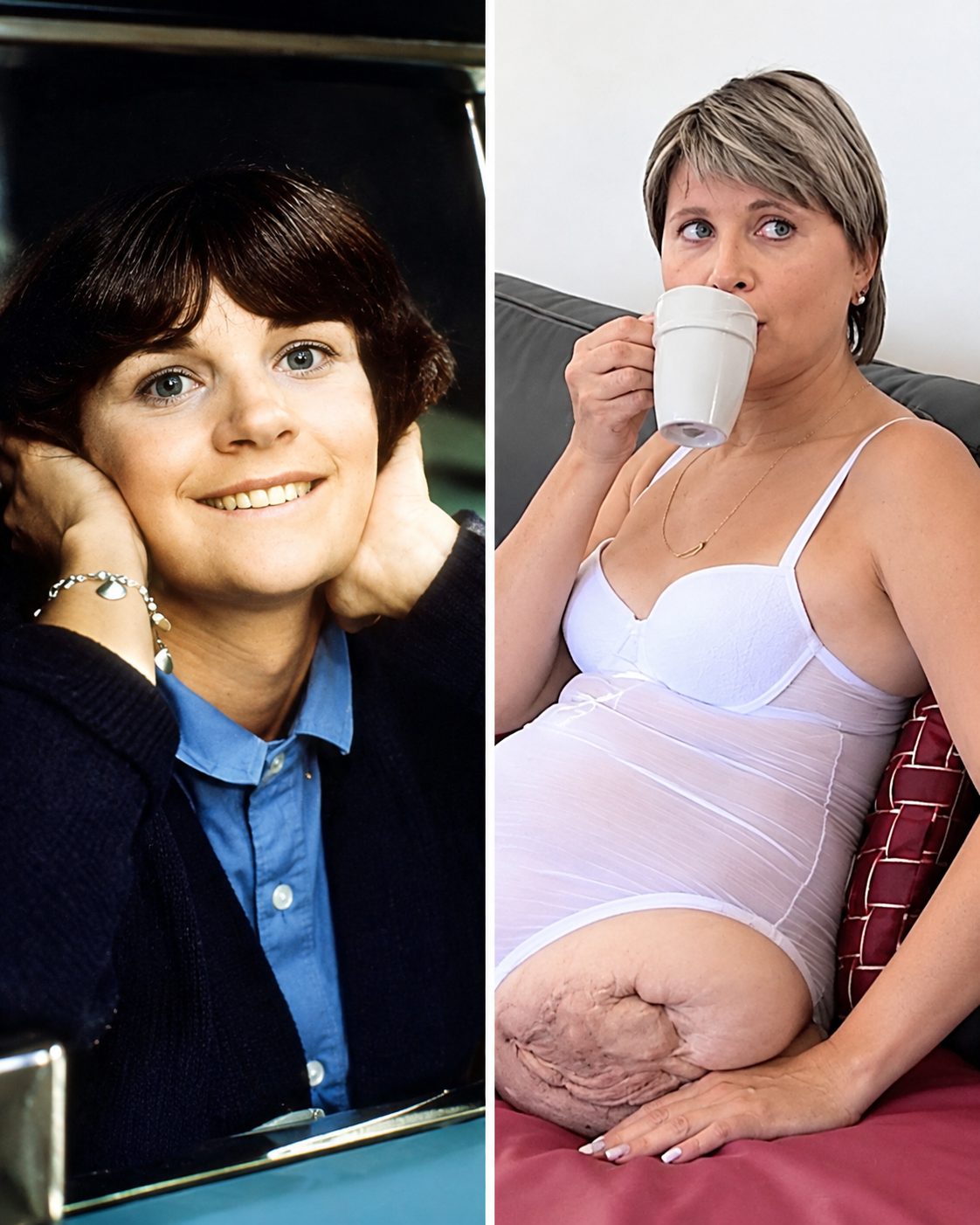
Bo Hopkins died in 2022 at the age of 84 of a heart attack.
Joe still stands as one of the characters who gives American Graffiti its darker edge.
He is a reminder that behind the music, the chrome, and the teenage romance, real trouble was waiting at the curb, too.
Lynne Marie Stewart played Bobbie, and she was 26 at the time.
Her appearance in American Graffiti was small, but the film is built from exactly these quick faces.
Waitresses, friends, passengers, dancers, and locals all helped make one night feel crowded with life.
Bobbie was one more piece of that world of diner streets, music, and passing teenage energy.
Afterward, Stewart found a long comic life in television sketch work and cult comedy.
She became especially beloved as Miss Yvonne in Pee-wee’s Playhouse, a role that carried her into a completely different pop culture universe.
Later comedy appearances kept showing off her gift for a playful, slightly odd screen presence.
She died in 2025 at the age of 78.
For viewers today, Bobbie is just one early piece of her story.
Her larger legacy stretches from 70s movie nostalgia to the surreal childhood world of Pee-wee, which makes her career feel like a bridge between two very different corners of American pop culture.
Joe Spano played Vic, and he was 27 when the cameras rolled.
His role was small, but American Graffiti was full of these passing young men who made the night feel busy, restless, and real.
Vic belonged to the crowd around the cars and the streets, part of the teenage energy that kept the film moving from one encounter to the next.
Spano’s career grew steadily on television.
On Hill Street Blues, he became known for serious police drama, and later on NCIS, a new generation came to know him as Tobias Fornell.
That long run on TV gave him something few actors ever get, familiar status across more than one era.
Now 80, Spano remains a dependable screen presence, especially in crime and law enforcement stories.
Vic may be a small early credit.
Yet it sits at the start of a career that moved from one night of teenage cruising into decades of grown-up television drama.
Kathleen Quinlan played Peg, and she was just 18 at the time.
Peg was the quiet girl Curt meets during his strange night of wandering, and she gave American Graffiti one of its softer passing moments.
In a film full of engines, neon, and teenage noise, Peg feels like one of those brief encounters that stays with you even after the car has moved on.
After the film, Quinlan’s career grew into serious film and television work.
She earned attention for I Never Promised You a Rose Garden and Apollo 13, along with a string of other dramatic projects.
Rather than getting locked into 70s youth roles, she became known for emotional honesty, natural warmth, and a knack for making ordinary women feel deeply real.
Now 72, Quinlan remains respected as an actress with a long, steady career rather than a loud celebrity image.
Peg is a small role, but in the mood of American Graffiti, small moments matter.
The whole film feels like memories passing under streetlights before morning changes everything.
Susan Richardson played Judy, and she was 21 at the time.
Her appearance in American Graffiti was small, but the film was built from quick glimpses of young people moving through one electric night.
Judy belonged to that blur of girls, friends, cars, and conversations that made the town feel alive beyond the main love stories.
Richardson became far better known later as Susan Bradford on Eight Is Enough, playing one of television’s familiar family daughters in the late 1970s.
Her life after fame, however, took a far more difficult turn.
Health problems, financial hardship, and public reports of struggles stood in sharp contrast to the comfort of primetime family television.
Now 74, Richardson’s story is one of the more sobering then-and-now turns from this cast.
Judy may be only a brief early role.
Looking back, though, viewers can see the start of a young actress whose later life showed how fragile TV fame could be once the cameras moved on.
Del Close played the man at the bar, and he was 39 when the film was shot.
His part was small, but a bar scene mattered in this film because it showed the adult world sitting just outside the teenagers’ neon playground.
While the kids chased cars, girls, and identity, men like this one hinted at where some of those restless nights might eventually lead.
Close became far more important to comedy than that tiny screen role suggests.
As a teacher, director, and improv thinker, he helped shape generations of performers tied to the Second City, Saturday Night Live, and modern sketch comedy.
His influence lived less in fame and more in the people he trained, pushed, scared, and inspired.
Del Close died in 1999 at the age of 64 from emphysema.
Comedy fans today may know his name more as a legend behind the curtain than as the man at the bar.
That is exactly what makes his story so interesting.
One small face in American Graffiti, and one huge shadow over American improv.
Debra Lee Scott played Falfa’s Girl, and she was 20 at the time.
Sitting beside Bob Falfa, she added to his image as the cocky outsider with a fast car and a girl along for the ride.
Her role was brief, but it helped sell Falfa’s whole entrance, with its loud engine, swagger, night air, and the feeling that trouble had just rolled into town.
Scott later became a familiar face on 70s television.
She appeared in sitcoms like Welcome Back, Kotter, Mary Hartman, Mary Hartman, and Angie, bringing a bright, slightly offbeat comic energy that suited the decade well.
She moved between small roles, regular parts, and the kind of TV appearances viewers remembered even when the scenes were quick.
Debra Lee Scott died in 2005 at the age of 52.
Her later years brought personal loss and health struggles, making her story much sadder than her light screen image ever suggested.
Falfa’s Girl remains a tiny American Graffiti moment.
Still, Scott’s wider TV work keeps her tied to the restless, funny, complicated pop culture of the 1970s.
Terence McGovern played Mr. Wolfe, and he was 31 at the time.
As the young teacher caught outside the classroom world, he brought a different kind of adult presence into American Graffiti.
He wasn’t the strict authority figure of teenage nightmares.
He felt more like someone still close enough to youth to understand the kids, but old enough to know the night wouldn’t last.
His career ran strongly through radio, voice acting, television, and teaching.
His voice became familiar in commercials, animation, and narration, while his work as an educator connected him to new generations of performers.
That mix of broadcasting and teaching gave his life after the film a grounded creative shape.
Now 84, McGovern’s story fits the man who played Mr. Wolfe, still tied to communication and performance and still passing experience from one generation to the next.
His part in American Graffiti is brief, but it adds a grown-up echo to a film about kids trying to outrun the morning.
Johnny Weissmuller Jr. played Badass Number One, and he was 32 at the time.
The role was small, but the name alone gave the film a little extra old Hollywood echo.
In the world of American Graffiti, even a tough face passing through the night could add to that feeling of parking lot tension, street attitude, and young men trying to look harder than they really were.
As the son of Tarzan star Johnny Weissmuller, he carried a famous Hollywood family name.
His own screen path, however, stayed much quieter.
He worked in smaller roles and lived mostly outside the kind of massive fame tied to his father.
That contrast makes his story feel like a footnote where two eras meet, classic adventure cinema on one side and 70s youth nostalgia on the other.
Johnny Weissmuller Jr. died in 2006 at the age of 65 from liver cancer.
Badass Number One isn’t a major American Graffiti role.
It does add one more face to the film’s midnight crowd, a tough little flash in a movie where every passing character feels like part of the road.
Manuel Padilla Jr. played Carlos, and he was 18 at the time.
As one of the younger faces in American Graffiti, he added to the feeling that the streets were full of different kids, different cars, and different small stories all happening at once.
Carlos belonged to a crowded night world where every corner seemed to hold another voice.
His career included child and teen roles in television and adventure projects, especially work tied to Tarzan and family entertainment.
He had the kind of screen presence that suited youthful, energetic parts.
But like many young actors from that era, steady adult stardom proved harder to hold on to.
Manuel Padilla Jr. died in 2008 at the age of 52 of colon cancer.
Carlos is a small part of American Graffiti, but his presence helps widen the film’s teenage landscape.
He is one more young face under the streetlights, part of a night that feels bigger than any single character.
Jim Bowen played Officer Holstein, and he was 27 at the time.
In a film ruled by teenagers, cars, and late-night freedom, a police officer brought the pressure of the adult world back into the frame.
Holstein added the watchful authority that cruising kids always tried to avoid, a reminder that the night still had rules.
After the film, Bowen’s career stayed mostly in smaller screen roles.
They were the kind of parts that help fill out police stations, streets, and background worlds without turning an actor into a household name.
In American Graffiti, that kind of part mattered, because the film needed adults on the edges just enough to make the teenagers’ freedom feel temporary.
Jim Bowen died in 1998 at the age of 52, and no cause of death was widely reported.
Officer Holstein remains a small but useful part of the film’s atmosphere.
He is a flash of law and order in a story about young people trying to make one last night feel completely their own.
And now we reach the story we saved for last.
Scott Beach played Mr. Gordon, and he was 42 at the time.
As one of the adult figures moving through American Graffiti, he reminded viewers that this teenage night was happening inside a real town, not just a dream of cars and neon.
His presence added a bit of grown-up weight around the edges of all that cruising freedom.
After the film, Beach kept working across acting, radio, voice work, and writing, with a strong tie to the San Francisco creative scene.
His voice and personality suited narration and broadcasting, where character could come through without a long screen appearance.
That made his work feel far wider than one small movie role.
Scott Beach died in 1996 at the age of 65 from AIDS-related complications.
Mr. Gordon is a brief part of American Graffiti.
Beach’s larger story, though, belongs to the kind of character actor who helped texture American film and radio, one of the voices and faces that make a world feel lived in.
That may be the quiet truth at the heart of this entire cast.
American Graffiti was never really about one star or one car.
It was about a crowd of young people and the adults around them, each passing through the same night, none of them knowing where the morning would take them.
Some of them climbed to the top of Hollywood.
Some found a different kind of success behind the scenes, in classrooms and radio booths and improv theaters.
And some left the road far too soon.
Fifty-three years later, the engines have gone quiet and the strip has long since emptied out.
Yet the music is still playing somewhere, and the voice on the radio is still telling us the night will last forever.
Which of these stories stayed with you the most?
Tell us in the comments, and share this with someone who still remembers cruising the strip.









