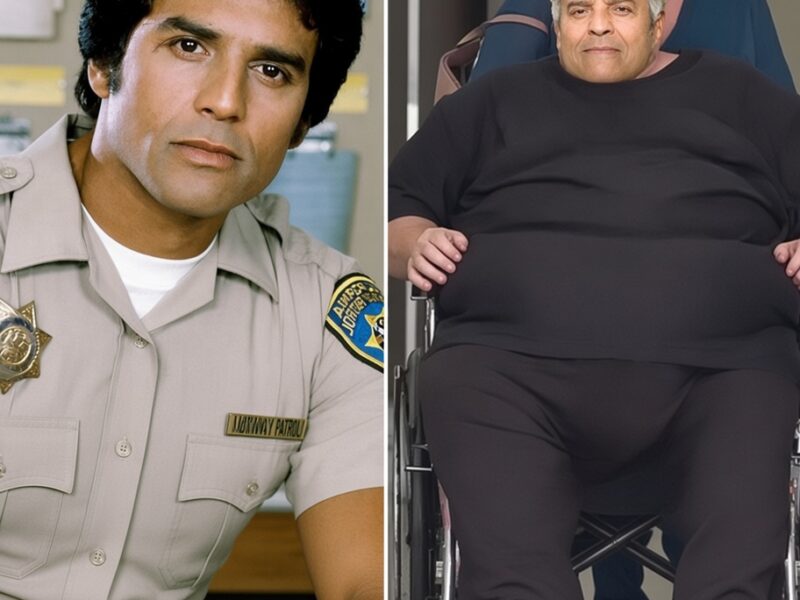
The Cast of CHiPs Then and Now: The Secret Heartbreaks, Shocking Second Acts, and Quiet Goodbyes Behind America’s Favorite Motorcycle Cops
Every Saturday night in the late 1970s, millions of American families heard the same sound.
A pair of motorcycle engines, rolling down a sunlit California freeway, as if the whole state were smiling.
Then the engines went quiet.
The reruns kept playing, the theme song kept hooking new generations, and the cast kept aging in ways no script ever planned.
Some of them walked away from Hollywood and never looked back.
Some became something nobody could have predicted.
And some are gone now, leaving behind only the footage of a younger world.
So what really happened to the people who rode the road in CHiPs?
The answers are stranger, warmer, and sadder than the show ever let us see.
Let’s start with the man who ran the whole operation.
Sergeant Joseph Getraer was the steady voice above the sirens.
He was the firm but fair supervisor who kept the California Highway Patrol from turning into nothing but sunshine, speed, and reckless charm.
Robert Pine was 36 when CHiPs first aired in 1977.
He gave Getraer the kind of authority that every fast-moving show needs to stay grounded.
Getraer mattered because he was the order behind the ride.
While Ponch brought the flash and Jon brought the calm discipline, Getraer was the man who understood the rules, the risks, and the young officers behind the badges.
Pine played him with professionalism, dry humor, and just enough warmth to keep the sergeant human instead of distant.
He could lecture his team, but viewers always sensed that he cared.
That quiet concern gave the series a moral center beneath the motorcycle chases and freeway rescues.
After CHiPs, Pine kept working for decades, piling up guest roles in television and film while remaining a familiar face to classic TV fans.
He is also the father of actor Chris Pine.
In 2026, Robert Pine is 85.
Sergeant Getraer endures because Pine made authority feel steady, practical, and strong enough to keep the road clear when everyone else was racing ahead.
But a sergeant is only as good as the riders he sends out.
And the first rider everyone remembers is the one who never needed to shout.
Officer Jon Baker was the calm rider beside the flash.
He was the steady partner whose discipline balanced Ponch’s grin, his impulses, and his appetite for trouble.
Larry Wilcox was 30 when CHiPs premiered in 1977.
He gave Jon the grounded strength that kept the show from becoming only action and charm.
Jon was the dependable heartbeat of the partnership.
He approached the job with patience, fairness, and a quiet sense of duty, which made him the officer viewers trusted whenever a freeway rescue turned serious.
Wilcox played him without unnecessary swagger.
He let Jon’s integrity speak through stillness, focus, and loyalty.
His friendship with Ponch became the emotional center of the whole series.
Two very different men, learning to trust each other at high speed, through danger, jokes, and the daily rhythm of patrol life.
After CHiPs, Wilcox kept working as an actor, producer, and public figure.
He stayed connected to the fans who remembered Jon as one of classic television’s most dependable heroes.
In 2026, Larry Wilcox is 79.
Officer Baker endures because Wilcox made calm strength feel heroic, friendship feel earned, and the quiet rider just as unforgettable as the star in the spotlight.
Every patrol unit needs a few more faces, though.
And on CHiPs, some of the most human ones were the officers who didn’t look like heroes at all.
Officer Arthur Grossman was the good-hearted patrolman whose slightly awkward energy made the CHP team feel more ordinary, and therefore more real.
Paul Linke was 29 when he first appeared on the show in 1977.
He brought Grossman a warmth that fit perfectly beside the faster, flashier personalities around him.
Grossman mattered because not every officer could be Ponch.
Some were earnest, nervous, and funny without trying, and still brave when the call came.
Linke played him with affection rather than exaggeration.
That made Grossman relatable instead of merely comic.
His presence reminded viewers that behind every uniform stood a person with flaws, nerves, and good intentions, trying to do the job well.
That softer humanity helped balance the motorcycle chases, the rescues, and the rhythm of the station house.
After CHiPs, Linke kept acting and also became respected as a writer, director, and theater artist.
He built a creative life far beyond one familiar role.
In 2026, Paul Linke is 78.
Officer Grossman endures because Linke made awkwardness feel honest, humor feel gentle, and supporting characters feel like the everyday soul of the patrol.
Then there was the tall, quiet one in the background of so many shots.
Officer Barry Baricza, known as Bear, was the dependable patrolman whose calm confidence helped CHiPs feel like a real working unit.
Brodie Greer was 28 when the series began in 1977.
He brought Bear a steady physical presence that never needed to fight for attention.
Bear mattered because the show was never built on Ponch and Jon alone.
It needed officers who could answer the radio, step into danger, and make the California Highway Patrol feel like a team.
Greer played him with understated strength.
It was the kind of calm reliability that becomes more valuable the more chaos surrounds it.
In freeway rescues, station scenes, and ensemble moments, Bear added another layer of professional texture.
He felt like the officer you could count on when things stopped being funny and the road turned dangerous.
After leaving acting, Greer chose a quieter life away from Hollywood and largely stepped outside public attention.
In 2026, Brodie Greer is 77.
Officer Baricza endures because Greer made dependability feel strong, modest, and essential to the backbone of the CHiPs family.
But the patrol didn’t run on courage alone.
It ran on grease, tools, and a man who kept the machines alive.
Harlan Arliss was the garage presence who reminded us that every chase and every roaring motorcycle depended on someone behind the scenes.
Lou Wagner was 37 when he first appeared on the show in 1978.
He gave Harlan a friendly, practical charm that made the maintenance side of the story warm and memorable.
Heroism on CHiPs did not begin only when the officers hit the road.
It began with tools, patience, and the quiet work of keeping the patrol running.
Wagner played Harlan with humor and technical confidence.
He turned the garage into a supporting space where personality mattered as much as performance.
Harlan was loyal, helpful, and often quietly funny, a grounded counterpoint to the speed and spectacle outside.
Wagner had already built a varied career across film and television, with work in comedy, drama, and science fiction, and he kept acting for decades.
In 2026, Lou Wagner is 85.
Harlan Arliss endures because Wagner made behind-the-scenes work feel warm, necessary, and part of the machinery that kept CHiPs moving.
And while the men grabbed most of the spotlight, the show was slowly opening a door.
Officer Bonnie Clark was the capable patrol officer whose calm confidence brought a strong female presence into the motorcycle world of CHiPs.
Randi Oakes was 26 when she first appeared on the series in 1977.
She made Bonnie feel professional, composed, and fully believable in uniform.
Bonnie mattered because television in the late 1970s did not always know how to place women inside action-driven law enforcement stories without reducing them to decoration.
Oakes gave Bonnie dignity.
She was skilled, respected, and part of the team, handling the road and the responsibility with quiet authority.
Her character added balance to the ensemble.
It showed that courage on CHiPs was not limited to the central male partnership.
Oakes played her with warmth, but also restraint, letting competence speak for itself.
After CHiPs, she retired from acting in the mid-1980s and chose a private family life away from Hollywood.
In 2026, Randi Oakes is 75.
Officer Clark endures because Oakes made strength feel understated, capable, and quietly important in a television world still learning to widen the road.
Now here is where the story takes a turn nobody saw coming.
Because one young patrolman who showed up in the earliest days was a face the world would one day know by a very different name.
Officer Jebediah Turner was the calm young patrolman whose early appearances gave CHiPs another layer of discipline and presence.
Michael Dorn was 24 when he first appeared on the series in 1977.
Even in a supporting role, he carried the stillness of someone built for authority.
Turner mattered because CHiPs worked best when the patrol world felt bigger than one famous partnership.
Dorn helped create that sense of a full working unit, with officers moving through station life, answering calls, and standing ready when the road demanded focus.
His performance was composed and quiet, and that quietness was exactly what made it interesting.
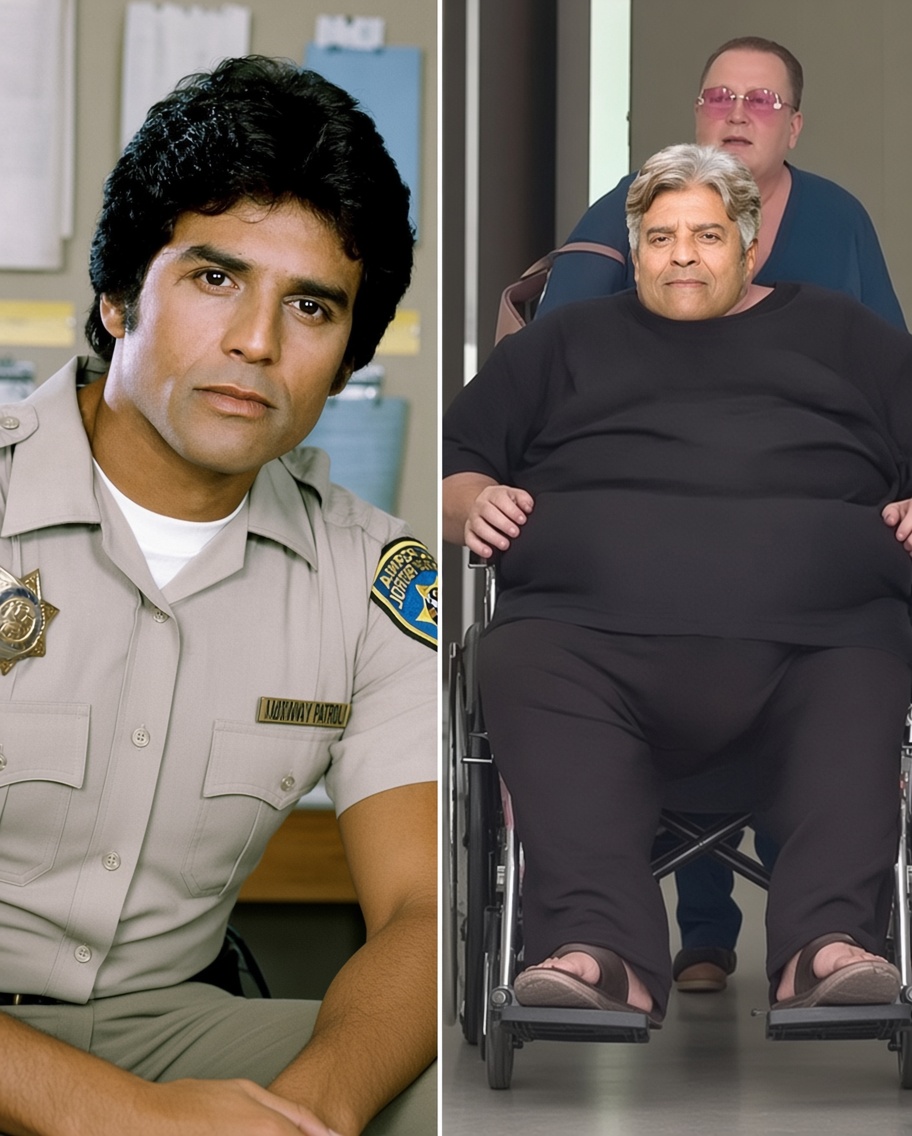
It was an early glimpse of the screen presence that would later make him unforgettable as Worf in the Star Trek franchise, one of television’s most iconic and long-running genre roles.
Looking back, Turner feels like a fascinating first chapter in a career defined by discipline, dignity, and strength under control.
In 2026, Michael Dorn is 74.
Officer Turner endures because Dorn made even an early patrol role feel steady, watchful, and filled with the authority he would later carry among the stars.
The show kept growing, and so did its roster of riders.
Officer Cindy Kahn was the young motorcycle officer who brought fresh energy and determined confidence to the CHiPs patrol unit.
Brianne Leary was 21 when she first appeared on the series in 1978.
She gave Cindy a lively presence that helped expand the show’s world beyond its central male partnership.
Cindy mattered because she showed another version of courage on the California highways.
She was capable, alert, and ready to handle the action, not simply stand near it.
Leary played her with youthful confidence and a natural spark.
Her time on the show was shorter than some of the main cast, but her presence helped the series evolve by adding another female officer to a world built around speed, danger, and public service.
After CHiPs, Leary moved through television hosting, writing, and inventive work beyond traditional acting.
Her career kept changing shape.
In 2026, Brianne Leary is 69.
Officer Kahn endures because Leary made youthful determination feel bright, capable, and part of the widening road CHiPs continued to travel.
But not every story on this road ends with a quiet retirement.
Some of them end in a hospital room.
Officer Benjamin Webster was the bright young patrolman who joined CHiPs in its later years.
He brought warmth, intelligence, and a fresh sense of optimism to the team.
Clarence Gilyard Jr. was 26 when he first appeared on the series in 1982.
He gave Webster a sincerity that made the character easy to welcome into the final chapter of the show.
Webster mattered because cast changes can make any series feel uncertain, and Gilyard brought a steady, likable quality that helped preserve the spirit of teamwork.
He felt professional, open, and ready to learn.
He added youth without disrupting the patrol family the audience already knew.
The role became an early step in a career later defined by memorable television work, especially Matlock and Walker, Texas Ranger.
That was followed by a meaningful second life as a theater professor and mentor.
Clarence Gilyard Jr. passed away on November 28, 2022, at 66, after a long illness.
Officer Webster endures because Gilyard made a late-series change feel warm, honorable, and touched by the quiet dignity that followed him through his entire career.
Gilyard was not the only new rider in those final seasons.
Another arrival carried something television could not fake.
Officer Bruce Nelson was the athletic young patrolman who brought real motorcycle credibility into the later seasons of CHiPs.
Bruce Penhall was 25 when he joined the series in 1982.
His presence carried actual command of speed, balance, and the road.
Nelson mattered because motorcycles were not just props on CHiPs.
They were the show’s identity, its rhythm, and its promise of California motion.
Penhall had already been a world-class motorcycle speedway champion before stepping in front of the camera.
That history gave his performance a natural ease whenever the series leaned into action.
As Officer Nelson, he brought youthful confidence and athletic energy during a period when the show was adjusting to cast changes and trying to keep its momentum alive.
His acting was closely tied to his real-life racing fame, but that made him feel authentic in a world built around engines and patrol skill.
After CHiPs, Penhall stayed connected to motorsports and public appearances.
In 2026, Bruce Penhall is 69.
Officer Nelson endures because Penhall made speed feel real, skilled, and inseparable from the open-road spirit of the series.
Then came one of the most unusual casting moments in the show’s history.
Officer Steve McLeish was the temporary patrol officer whose arrival brought Olympic celebrity into the CHiPs universe.
Caitlyn Jenner, then known publicly as Bruce Jenner, was 31 when she appeared on the series in 1981.
McLeish mattered because the role reflected how CHiPs blended television action with pop-culture visibility.
Jenner was already famous as an Olympic gold medalist.
That athletic background gave the character a physical confidence that fit naturally with a show built around movement, discipline, and public heroism.
Appearing during Erik Estrada’s brief absence, McLeish helped keep the patrol dynamic moving while offering viewers a familiar face from the sports world in a new dramatic setting.
The role was short-lived, but it remains a distinctive footnote in the show’s history.
After CHiPs, Jenner remained a major public figure through sports, reality television, and later her widely discussed public transition and advocacy.
In 2026, Caitlyn Jenner is 77.
Officer McLeish endures because Jenner’s appearance captured a moment when athletic fame, television casting, and the open-road energy of CHiPs briefly crossed paths.
But the world of CHiPs didn’t stop at the station door.
It followed the officers home.
Betty Getraer was the supportive wife who gave the sergeant a life beyond the station, beyond the lectures, and beyond the demands of keeping young officers in line.
Gwynne Gilford was 33 when she first appeared on CHiPs in 1979.
She brought Betty a grounded warmth that softened the sergeant without weakening him.
Betty mattered because she reminded viewers that every uniform belonged to someone with a home life, private responsibilities, and people waiting away from the noise of the highway.
Through her, Getraer became more than a supervisor.
He became a husband, a man with tenderness behind the authority, and someone whose world did not end when the shift was over.
Gilford played Betty with natural calm.
Her scenes carried a domestic steadiness that balanced the action-driven nature of the show.
After acting, Gilford stepped away from Hollywood and became a psychotherapist, building a meaningful career far from weekly television.
She is also the mother of actor Chris Pine.
In 2026, Gwynne Gilford is 80.
Betty Getraer endures because Gilford made support feel warm, intelligent, and quietly essential to the human side of the CHiPs world.
There were other women in the wider world of the show, too.
Julie Barris was the composed, professional presence who helped make the larger law enforcement world of CHiPs feel more complete.
Ellen Geer was 37 when she first appeared on the series in 1978.
She brought Julie an intelligence and steadiness that gave even limited screen time a sense of purpose.
Julie mattered because CHiPs was best remembered for motorcycles, sunshine, and the partnership at its center, but the show also needed a broader institutional world.
Characters like Julie helped create it.
They were capable, mature, professional figures who made the California Highway Patrol feel like more than a backdrop for action.
Geer’s performance reflected the growing presence of capable women in workplace television during the 1970s.
They were not decoration, but people who belonged inside the room.
Beyond CHiPs, Geer built a respected career in film, television, theater, and education.
She carried forward the artistic legacy of her father, Will Geer, through the Theatricum Botanicum.
In 2026, Ellen Geer is 85.
Julie Barris endures because Geer made professionalism feel calm, intelligent, and quietly important to the show’s larger world.
And the door kept opening.
Robbie Davis was the determined young officer whose presence helped widen the image of who could belong in the CHiPs patrol family.
Katherine Cannon was 25 when she first appeared on the series in 1978.
She gave Robbie a direct, capable energy that suited both the road and the station.
Robbie mattered because the late 1970s were still gradually making more room for women in action and law enforcement roles on television.
Cannon played her without treating the character as a novelty.
Robbie was professional, composed, and ready to handle the same demanding world as her male colleagues.
Even with limited screen time, she helped broaden the CHP unit and add to the sense of a larger working team.
Her presence reinforced one of the show’s quieter strengths: public service depended on many officers, not only the central stars.
After CHiPs, Cannon kept acting through the 1980s and 1990s and later became familiar to many viewers through Beverly Hills, 90210.
In 2026, Katherine Cannon is 73.
Robbie Davis endures because Cannon made quiet competence feel believable, progressive, and part of the changing landscape of classic television.
The later seasons brought more of the same.
Officer Kathy Linahan was the confident young motorcycle officer who brought fresh poise and determination into the later years of CHiPs.
Tina Gayle was about 24 when she first appeared on the series in the early 1980s.
She gave Kathy a composed strength that helped her fit naturally into the patrol world.
Kathy mattered because her presence reflected a television era slowly expanding its picture of women in action roles.
In a series still dominated by male riders, she stood with discipline and quiet authority.
Her competence on the motorcycle and in uniform did not need to be overexplained.
Gayle played her with grace and confidence, helping the later ensemble feel more open and varied.
Whether she was responding to road situations or sharing the rhythm of station life, Kathy added to the sense that the CHP team was evolving with the decade.
After CHiPs, Gayle kept appearing in film and television before eventually stepping away from acting and living more privately.
In 2026, Tina Gayle is 65.
Officer Linahan endures because Gayle made later-season change feel capable, graceful, and part of the road opening wider for women on television.
Now we reach the part of the story where the credits stop being only credits.
Some of the people who helped make CHiPs feel real are no longer here to tell their own stories.
Officer Nelson was one of the supporting patrolmen who helped make the CHP world of CHiPs feel active beyond the main stars.
Robert Llewellyn brought a quiet, professional presence to the series.
He gave Nelson the feeling of a man who understood teamwork, discipline, and the responsibility of the badge.
Nelson mattered because the show was never only about its biggest personalities.
It depended on the radio calls, the station moments, the roadside responses, and the familiar officers who made the patrol unit feel like a real working environment.
Llewellyn played the role with calm confidence.
He never pulled attention away from the central action, but he helped fill out the ensemble texture that made the series believable.
His work belonged to the classic television tradition of supporting performers who may not dominate fan memory, but make the world feel complete.
Offscreen, Llewellyn built a career connected to television, theater, and community work.
Robert Llewellyn passed away in 1993 at 54.
Officer Nelson endures because Llewellyn made quiet professionalism feel useful, grounded, and essential to the ensemble road that CHiPs rode every week.
Another loss came decades later.
Ben Powers was 28 when he took on his role as a principled officer, a calm authority who brought dignity and warmth to the CHiPs ensemble.
He gave the character a composed presence that fit naturally inside a series built on speed, risk, and public service.
The role mattered because it expanded the CHP world beyond the central partnership.
It showed a broader team shaped by responsibility, loyalty, and professional trust.
Powers played him with restraint, never needing to dominate a scene to make his authority felt.
His performance carried a natural ease, the kind that made leadership feel less like force and more like steadiness.
Before and after CHiPs, Powers was also known for talents that stretched into music and writing as well as acting.
His career reflected versatility, warmth, and the ability to make supporting roles feel alive.
Ben Powers passed away on April 6, 2015, at 64.
His character endures because Powers made strength feel dignified, humane, and quietly commanding in a show where movement often spoke louder than words.
Then there was the biggest presence of all.
Roosevelt “Rosey” Grier was 46 when he joined CHiPs, and he brought the authority of a former NFL star with the gentleness of a man known for far more than his size.
His character added strength to the team without harshness.
In a show built around service, rescue, and teamwork, Grier’s presence suggested protection rather than intimidation.
He could fill the screen with power, but there was always kindness beneath it.
That made him feel like the kind of officer who could calm a scene as easily as he could command it.
Offscreen, Grier became known not only for football and acting, but also for music, ministry, public speaking, and community work.
He is one of the most multifaceted figures ever connected to the series.
His character endures because Grier made strength feel generous, protective, and guided by heart instead of ego.
And one more name belongs on this list.
Officer Jerry Woods was the dependable CHP officer who reminded viewers that CHiPs was built on a wider patrol family, not only the two riders everyone remembers first.
John V. Brennan was 35 when he first appeared on the series.
He gave Woods a practical, alert quality that fit naturally into the world of highway duty.
Woods mattered because every chase, traffic stop, and rescue depended on cooperation.
The series worked because it felt like a team was always nearby, officers responding to calls, supporting each other, and keeping the road under control.
Brennan played Woods with steadiness and intelligence, making him feel like part of the professional fabric of the show.
Even without being the central focus, his character added to the sense of shared courage that made CHiPs comforting as well as exciting.
Beyond the series, Brennan built a respected career across television and theater.
Remembered for grounded performances and versatility, John V. Brennan passed away in 2014 at 71.
Officer Woods endures because Brennan made supporting duty feel real, reliable, and connected to the ensemble spirit that kept CHiPs riding.
Which brings us, finally, to the man behind the grin.
Officer Frank “Ponch” Poncherello was the motorcycle cop whose confidence, humor, and restless charm turned CHiPs into pure California television energy.
Erik Estrada was 28 when the series premiered in 1977, and he brought Ponch the star power that made the show unforgettable.
You can still picture the smile behind those mirrored sunglasses.
Ponch mattered because he made law enforcement feel young, bright, and full of motion.
He was flashy, impulsive, and sometimes too eager for attention, but Estrada never let him become shallow.
Beneath the grin was a man who cared about people, loved the ride, and wanted to do good even when his personality got ahead of his judgment.
His partnership with Jon Baker became the emotional engine of the series.
Ponch’s boldness was balanced by Jon’s quiet discipline, turning freeway patrols into stories of friendship, trust, and lighthearted adventure.
After CHiPs, Estrada stayed closely tied to the role through television appearances, fan events, and public service work.
He even connected his screen image to real-life law enforcement.
In 2026, Erik Estrada is 77.
Ponch endures because Estrada made charisma feel generous, danger feel exciting, and the open road feel like a place where television could still smile.
Now the engines quiet down.
The helmets come off, and the California highway fades into the sunset.
But CHiPs was never only about motorcycles, sunshine, or freeway rescues.
It was about the people who made that ride feel alive.
Ponch’s easy charisma.
Jon’s steady loyalty.
Getraer’s firm guidance.
Bonnie’s quiet strength.
And every supporting officer who helped turn a patrol unit into a television family.
Decades later, some of the cast found private lives far away from Hollywood.
Some built surprising second chapters.
And some are sadly no longer with us.
Yet every rerun still carries that golden, open-road feeling.
Friendship, duty, and the simple thrill of two officers riding toward the next call.
Somewhere in a box of old memories, there is still a pair of mirrored sunglasses, waiting for the next ride.
If this journey brought you back to the world of CHiPs, stay with Rewind 1960s for more stories about the stars, shows, and classic TV memories that still ride with us.









