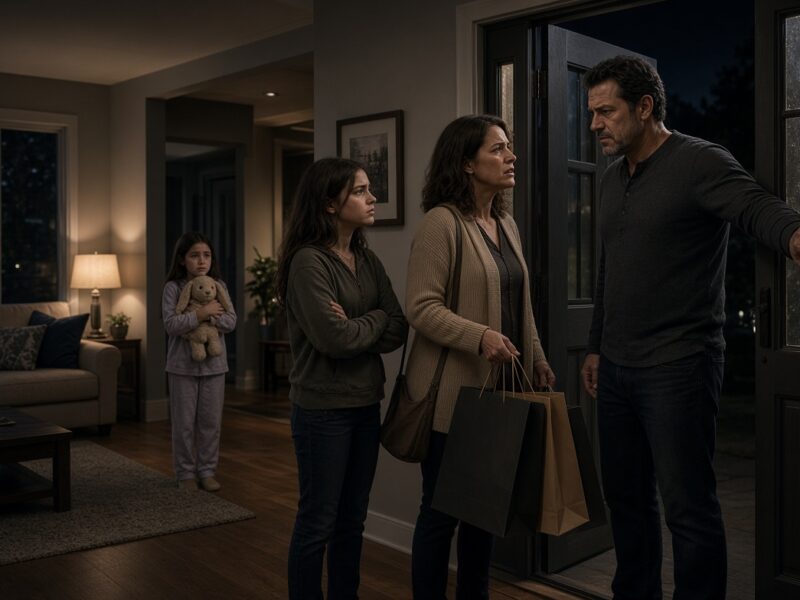
She Said My Daughter Wasn’t Her Sister—So I Chose My Child
You went shopping with Leah and you didn’t take Emily?
Yes, I took my daughter shopping. Is that a problem?
Your daughter?
Yes. Leah is my daughter. I wanted to make her happy. I don’t need your permission to spend time with my own child.
No, but Emily is your family too.
Here we go again.
Leah, Emily is your stepsister. Why didn’t you ask her to come?
Because I didn’t want her there.
Excuse me?
You heard me. I wanted time with my mom. Emily wasn’t invited.
Leah, she’s your sister.
No, she’s not.
Say that again.
She isn’t my sister. She’s your daughter.
How long have you been hearing things like this?
Dad, it doesn’t matter.
It matters to me.
I’ve gotten used to it.
You hear that? She’s fine. You’re being dramatic.
Dramatic?
Yes. You’re turning a simple shopping trip into some family crisis.
You excluded my daughter.
And? She doesn’t have to be included in everything Leah does.
She lives in this house.
So does Leah.
They’re supposed to be family.
Stop forcing that word on us.
Leah, did you really believe Emily wasn’t part of this family?
She has her father. I have my mother.
No. You have a family.
That’s your opinion.
I treated you like my own daughter.
And nobody asked you to.
I never demanded that you call me dad.
Good, because I never will.
Leah, you don’t have to be cruel.
Don’t tell me how to talk.
Enough. You weren’t just taking Leah shopping. You were teaching my daughter where she belongs.
Don’t put your insecurities on me. I’m just telling the truth.
No, you’re defending cruelty.
I’m not apologizing.
I didn’t ask you to apologize.
Good, because I don’t regret anything I said.
You’re proud of hurting her?
She needs to understand that she’s not my sister.
You don’t have to love her.
I don’t.
But you will respect her.
No.
What did you say?
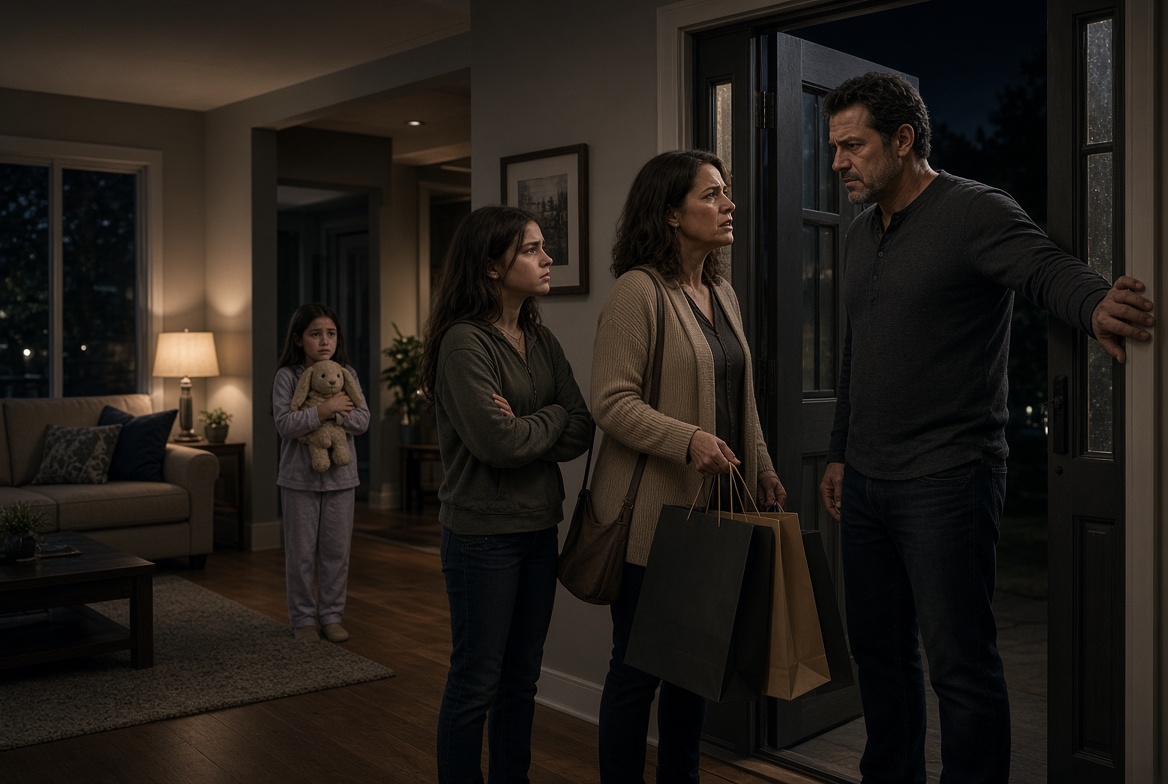
I said no. You can’t tell me who I have to consider family.
Fine. You’ve made your choice. You looked my daughter in the face and told her she isn’t your sister.
Because she isn’t.
Then don’t expect me to keep calling you family.
Don’t you dare throw my daughter out.
I gave your daughter a home, treated her like my own, and asked for nothing but respect.
She is my daughter.
And Emily is mine. I’m done watching you choose yours while mine suffers. We’re no longer family.
You’re really doing this?
Yes, and your mother defended you. So get out of my house.
You’ll regret this.
I regret letting my daughter feel like a stranger. Get out. Both of you.
The door closed behind them with a sound that seemed to echo through the entire house.
Michael stood in the entryway for a long moment, his hand still resting on the doorframe, his chest heaving with the kind of breath that comes after a fight you did not want to have but could not avoid.
He was forty-seven years old.
He had been married to Diane for six years.
He had raised Leah, his stepdaughter, since she was nine.
He had never once called her anything but his daughter in public.
He had paid for her braces, her soccer camps, her first car.
He had sat through parent-teacher conferences and orchestra concerts and the one terrible school play where she had forgotten every line and he had clapped the loudest anyway.
He had loved her.
He had loved her the way you love someone who is not yours by blood but who becomes yours by time and choice and the thousand small decisions that make a family.
And she had just stood in his living room and told him, without flinching, that his daughter was not her sister.
Emily was fourteen.
She had come to live with them three years ago, after her mother, Michael’s first wife, had lost a long battle with addiction and Michael had finally won full custody.
Emily had arrived with a duffel bag and a stuffed rabbit and the particular silence of a child who had learned that the safest thing to be was invisible.
She had spent the first six months in that house barely speaking.
She had spent the next year learning to trust the fact that Michael was not going to leave.
She had spent the last year and a half trying, in her own quiet way, to be part of a family that had been assembled from pieces that did not quite fit.
Leah had never made it easy.
And Diane had never made it better.
Michael had told himself, for years, that it was normal.
Blended families were complicated.
Stepsiblings fought.
Teenagers were cruel.
He had told himself that Leah would grow out of it, that Diane would eventually see what was happening, that the house would eventually become the kind of home he had promised Emily when he had told her she was coming to live with him.
He had been wrong.
The moment that broke it was small.
It was always small.
It was a shopping trip.
Leah had asked Diane to take her to the mall on a Saturday afternoon, and Diane had said yes, and the two of them had left without a word to Emily.
Emily had been sitting at the kitchen table, working on a history project.
She had not asked to come.
She had not even looked up.
But Michael had seen her face when the car pulled out of the driveway.
He had seen the way she had gone very still, the way her pen had stopped moving, the way she had waited until the car was gone before she had let her shoulders drop.
He had seen it.
And he had said nothing.
He had gone back to his office and worked on a report he did not need to finish.
He had told himself it was not a big deal.
It was just a shopping trip.
It was just a Saturday.
It was just one more small thing in a long list of small things that he had been telling himself were not a big deal for three years.
By the time Diane and Leah came home, Emily had finished her project and gone upstairs.
Michael was in the living room.
Diane walked in with shopping bags and a smile.
Leah walked in behind her, carrying a new jacket and a new pair of shoes and the particular glow of a teenager who had gotten exactly what she wanted.
Michael looked up.
“You went shopping with Leah and you didn’t take Emily?” he asked.
Diane stopped.
“Yes, I took my daughter shopping. Is that a problem?”
“Your daughter?”
“Yes. Leah is my daughter. I wanted to make her happy. I don’t need your permission to spend time with my own child.”
“No, but Emily is your family too.”
“Here we go again.”
Leah had already started toward the stairs.
“Leah,” Michael said.
She stopped.
“Emily is your stepsister. Why didn’t you ask her to come?”
Leah turned around.
“Because I didn’t want her there.”
“Excuse me?”
“You heard me. I wanted time with my mom. Emily wasn’t invited.”
“Leah, she’s your sister.”
“No, she’s not.”
“Say that again.”
“She isn’t my sister. She’s your daughter.”
Michael felt something in his chest go cold.
“How long have you been hearing things like this?” he asked, looking at Diane.
“Dad, it doesn’t matter,” Leah said.
“It matters to me.”
“I’ve gotten used to it.”
“You hear that?” Diane said. “She’s fine. You’re being dramatic.”
“Dramatic?”
“Yes. You’re turning a simple shopping trip into some family crisis.”
“You excluded my daughter.”
“And? She doesn’t have to be included in everything Leah does.”
“She lives in this house.”
“So does Leah.”
“They’re supposed to be family.”
“Stop forcing that word on us.”
Michael looked at Leah.
“Leah, did you really believe Emily wasn’t part of this family?”
“She has her father. I have my mother.”
“No. You have a family.”
“That’s your opinion.”
“I treated you like my own daughter.”
“And nobody asked you to.”
“I never demanded that you call me dad.”
“Good, because I never will.”
“Leah, you don’t have to be cruel.”
“Don’t tell me how to talk.”
Michael looked at Diane.
“Enough. You weren’t just taking Leah shopping. You were teaching my daughter where she belongs.”
“Don’t put your insecurities on me. I’m just telling the truth.”
“No, you’re defending cruelty.”
“I’m not apologizing.”
“I didn’t ask you to apologize.”
“Good, because I don’t regret anything I said.”
“You’re proud of hurting her?”
“She needs to understand that she’s not my sister.”
“You don’t have to love her.”
“I don’t.”
“But you will respect her.”
“No.”
“What did you say?”
“I said no. You can’t tell me who I have to consider family.”
Michael stood up.
He was not a tall man.
He was not a loud man.
But there was something in his posture that had changed, something that had been building for three years and had finally found its shape.
“Fine,” he said.
“You’ve made your choice. You looked my daughter in the face and told her she isn’t your sister.”
“Because she isn’t.”
“Then don’t expect me to keep calling you family.”
Diane’s expression changed.
“Don’t you dare throw my daughter out.”
“I gave your daughter a home,” Michael said.
“I treated her like my own. I asked for nothing but respect.”
“She is my daughter.”
“And Emily is mine. I’m done watching you choose yours while mine suffers. We’re no longer family.”
“You’re really doing this?”
“Yes. And your mother defended you. So get out of my house.”
“You’ll regret this.”
“I regret letting my daughter feel like a stranger. Get out. Both of you.”
The next hour was a blur of packing and shouting and the specific sound of a house being torn apart by people who had spent years pretending it was whole.
Diane called her mother.
Leah called her father.
Michael stood in the kitchen and listened to the sound of suitcases being dragged down the stairs and did not move.
Emily came down at some point.
She stood in the doorway of the kitchen with her stuffed rabbit in her arms and looked at her father with the particular expression of a child who has just realized that the thing she was afraid of has finally happened.
“Dad?” she said.
“It’s okay,” he said.
“It’s not okay.”
“No,” he said.
“It’s not. But it’s going to be.”
Diane and Leah left at 9:14 p.m.
Diane did not look at him.
Leah did not look at Emily.
The front door closed, and the house went quiet in a way it had not been quiet in six years, and Michael stood in the hallway for a long time before he went upstairs to check on his daughter.
Emily was in her room, sitting on her bed, holding the rabbit.
He sat down beside her.
“I’m sorry,” he said.
“For what?”
“For letting it go on this long.”
“It wasn’t your fault.”
“It was my house,” he said.
“I should have seen it. I should have stopped it.”
Emily was quiet for a moment.
“Are they coming back?”
“No.”
“Are you sad?”
He thought about it.
“Yes,” he said.
“But I’m not sorry.”
She leaned against him.
He put his arm around her.
And for the first time in three years, the house felt like it belonged to the two of them.
The divorce was filed ninety days later.
Diane’s attorney argued that Michael had thrown his wife and stepdaughter out of the marital home without cause and that Michael should be required to provide financial support and housing assistance.
Michael’s attorney, a woman named Patricia Vega who had handled family law in the county for twenty-two years, filed a counterpetition that included a detailed account of the events of that Saturday and the three years that had preceded it.
The petition included text messages between Diane and Leah in which Leah referred to Emily using language that Patricia described in the filing as “consistent with a pattern of emotional exclusion and hostility.”
It included emails from Emily’s therapist documenting the anxiety and depression that had developed over the course of the marriage.
It included a statement from Michael’s mother, who had witnessed the dynamic at family gatherings and had said nothing for years because she had not wanted to interfere.
And it included a single sentence from Emily herself, submitted as a written statement, that Patricia read aloud in court.
“I just wanted them to see me.”
The judge ruled in Michael’s favor.
Diane was denied spousal support.
Leah was not entitled to any claim on the house.
The court found that Michael had acted within his rights as the homeowner and as Emily’s custodial parent.
The divorce was finalized four months after the door closed.
Michael and Emily stayed in the house.
They painted the kitchen yellow because Emily had always wanted a yellow kitchen.
They got a dog, a rescue beagle named Charlie, who slept at the foot of Emily’s bed every night.
They started having dinner together at the table every evening, and Michael learned to cook three new meals because Emily got tired of spaghetti.
They were not perfect.
They were not a fairy tale.
They were a father and a daughter who had spent years being told that they were not enough and had finally decided to believe something else.
Leah reached out eighteen months later.
A text message, short, no apology, just a question.
Can we talk?
Michael showed Emily the message.
Emily read it twice.
“What do you want to do?” she asked.
“I want to know what you want to do.”
Emily thought about it.
“I don’t know yet,” she said.
“Then we don’t answer yet.”
They didn’t answer for three weeks.
Then Emily wrote back, one sentence, her own words, no help from her father.
I’m not ready. Maybe someday.
Leah did not respond.
Maybe she would.
Maybe she wouldn’t.
Michael and Emily did not wait to find out.
They had a life to live.
The last scene took place on a Sunday afternoon in the fall.
Michael was in the kitchen, making dinner.
Emily was at the table, working on a college application.
Charlie was asleep on the floor between them.
The house was quiet, but it was the good kind of quiet.
The kind that comes when two people have finally stopped pretending and started living.
Emily looked up from her laptop.
“Dad?”
“Yeah?”
“Thank you.”
“For what?”
“For choosing me.”
Michael set down the spoon.
He walked over to the table and sat down across from her.
“I didn’t choose you,” he said.
“I chose us.”
Emily smiled.
Charlie wagged his tail.
And the house that had once been full of strangers was full of family.
The kind that stays.









