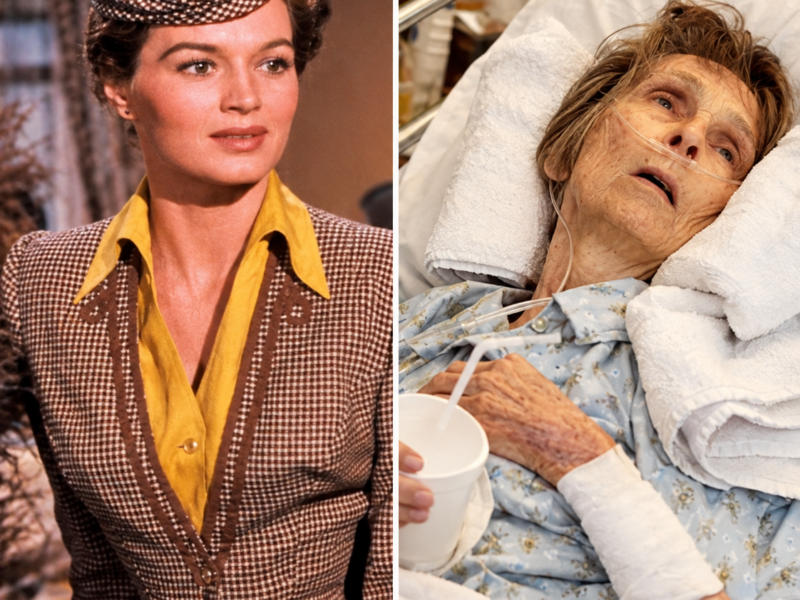
Rio Bravo Then and Now: The Heartbreaking Truth About What Happened to the Legendary Cast After the Jailhouse Door Closed
There is a jailhouse door in a dusty Texas town that never quite finishes closing.
Every time Rio Bravo plays, it swings shut again on the same small group of stubborn, flawed, unforgettable people.
But step outside that door and look at the street today, and you will notice something that no camera ever filmed.
Almost everyone who stood on it is gone.
One jail, one sheriff, and a town too afraid to stand up. That was all it took.
Rio Bravo became a western classic because it turned a simple standoff into a story about loyalty, courage, weakness, and redemption.
John Wayne, Dean Martin, Ricky Nelson, and a legendary cast made that dusty street feel unforgettable. More than six decades later, those faces are mostly gone, and the film carries a deeper silence because of it.
This is Rio Bravo then and now, and it is the story of where courage still waits at the jailhouse door.
So let us walk back down that street one more time, and meet the people who made it unforgettable.
We begin where the film begins, with the man who held it together.
Sheriff John T. Chance was the calm center of Rio Bravo. His strength came from duty, patience, and a flat refusal to back down.
He was played by John Wayne, born in 1907 in Winterset, Iowa.
Wayne was 52 when Rio Bravo was released in 1959, and he gave Chance a weathered authority and a quiet kind of courage. The role never asked him to shout.
John Wayne passed away in 1979 at the age of 72.
Chance remains unforgettable because he showed courage without speeches. When danger closed in, he chose to trust flawed people, and he trusted them anyway.
Beyond Rio Bravo, Wayne became one of Hollywood’s defining western icons. Stagecoach, Red River, The Searchers, and many other classics carried his name.
Chance endures because Wayne made bravery feel calm, stubborn, and completely unshakable.
But a sheriff alone is only half a story. Every lawman needs someone to save, and in this film, the man who needed saving wore a deputy’s badge.
Dude, painfully nicknamed Borrachón, gave Rio Bravo its deepest human struggle.
He was played by Dean Martin, born in 1917 in Steubenville, Ohio.
Martin was 42 when the film arrived in 1959. He brought Dude shame, humor, vulnerability, and a wounded pride that is hard to watch and harder to look away from.
Dean Martin passed away in 1995 at the age of 78.
Dude remains powerful because he was not a perfect deputy. He was a broken man fighting to stand upright again, and the film let him fight in public.
Beyond Rio Bravo, Martin became one of America’s most beloved entertainers. He was a singer, an actor, a comedian, and a Rat Pack legend.
Dude endures because Martin made weakness, recovery, and loyalty feel painfully real.
Then there was the kid, and nobody in town expected much from the kid.
Colorado Ryan brought youth, cool confidence, and quiet precision into Rio Bravo.
He was played by Ricky Nelson, born in 1940 in Teaneck, New Jersey.
Nelson was only 19 when the film was released in 1959. He gave Colorado calm judgment, sharp skill, and a fresh young energy that stood out beside the veterans around him.
Ricky Nelson passed away in 1985 at only 45.
Colorado remains memorable because he does not announce his courage. He watches, he decides, and he stands when it matters.
Beyond Rio Bravo, Nelson continued a major music career and remained a familiar television and recording star.
Colorado endures because Nelson made youthful bravery feel stylish, sincere, and quietly dependable.
Courage does not only come from the young, though. Sometimes it limps in, complaining the whole way.
Stumpy was the grumbling old guard whose complaints could never hide his loyalty.
He was played by Walter Brennan, born in 1894 in Lynn, Massachusetts.
Brennan was 65 when Rio Bravo arrived in 1959. He brought Stumpy humor, grit, irritation, and an old-fashioned kind of courage.
Walter Brennan passed away in 1974 at the age of 80.
Stumpy remains beloved because he may limp and he may grumble, but when trouble comes, he is exactly where he needs to be.
Beyond Rio Bravo, Brennan became one of Hollywood’s greatest character actors, and he won three Academy Awards.
Stumpy endures because Brennan made old courage feel cranky, funny, and deeply loyal.
Now the story turns, because courage in Rio Bravo is never free.
Pat Wheeler was the loyal cattleman whose decency made the danger feel real.
He was played by Ward Bond, born in 1903 in Benkelman, Nebraska.
Bond was 56 when the film was released in 1959. He brought Wheeler warmth, authority, and the weight of an old friend.
Ward Bond passed away in 1960 at only 57. He lived barely a year after the film reached theaters.
Pat Wheeler remains important because his death proves that standing with Sheriff Chance has a cost. After that, nobody in town can pretend this is only a game of nerves.
Beyond Rio Bravo, Bond became one of the great familiar faces of Western cinema and television, especially through John Ford films and the series Wagon Train.
Wheeler endures because Bond made decency feel sturdy, familiar, and tragically exposed.
And behind every death in that town stood a man who never needed to raise his voice.
Nathan Burdette was the quiet power pressing down on the town, a villain built from money, fear, and control.
He was played by John Russell, born in 1921 in Los Angeles, California.
Russell was 38 when Rio Bravo was released in 1959. He gave Burdette a cold authority and a patient menace.
John Russell passed away in 1991 at the age of 70.
Nathan remains memorable because he does not need to shout. He lets fear, influence, and hired guns do the work for him.
Beyond Rio Bravo, Russell built a long career in westerns and action dramas, and he later became known for playing lawmen.
Nathan Burdette endures because Russell made a villain feel controlled, privileged, and quietly ruthless.
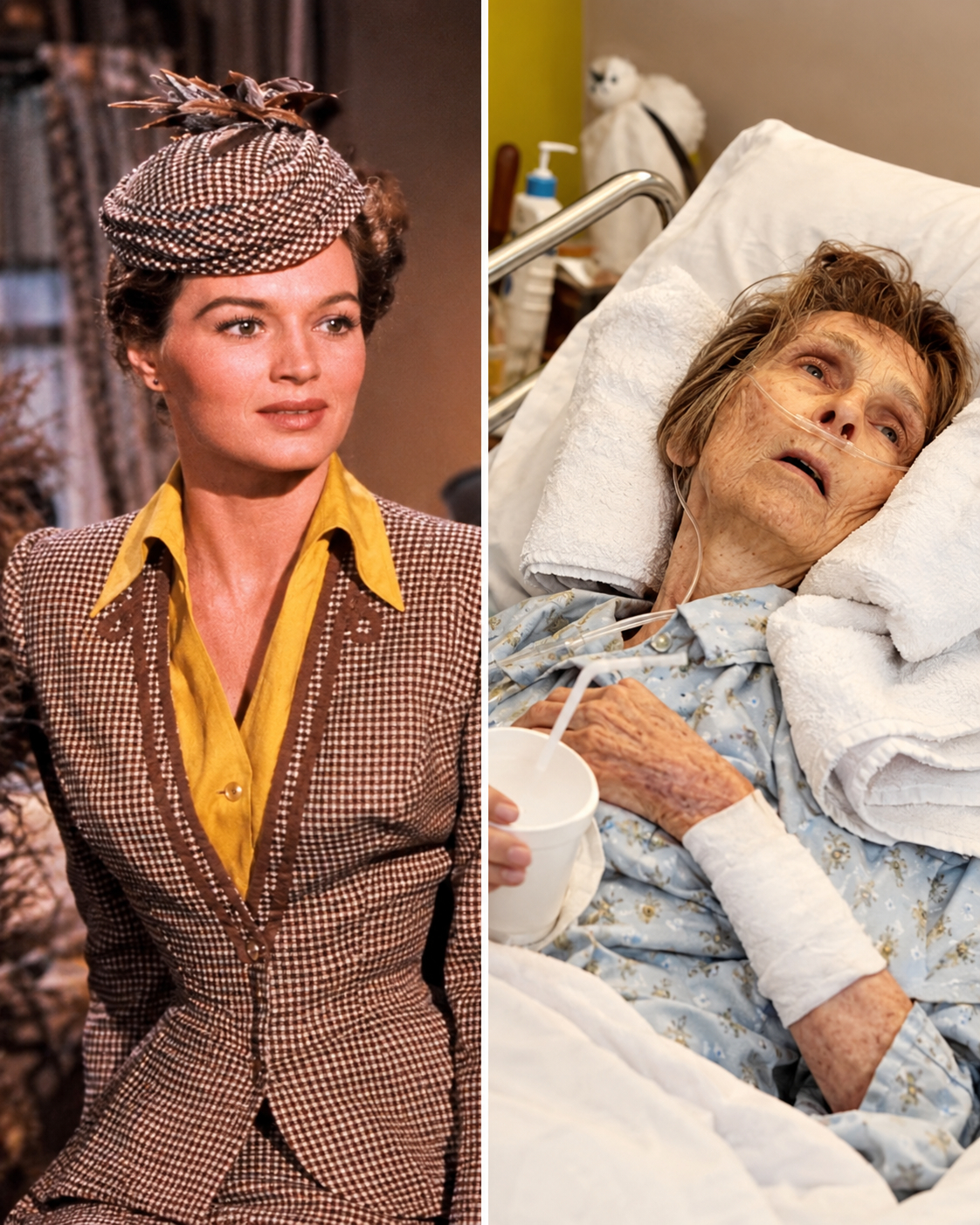
A town under siege can feel like nothing but guns and glares. Rio Bravo reminds us that it is also made of people who simply live there.
Carlos Robante gave the film warmth, humor, and a sense of community inside a town under threat.
He was played by Pedro Gonzalez Gonzalez, born in 1925 in Aguilares, Texas.
Gonzalez was 34 when the film arrived in 1959, and he brought Carlos charm, loyalty, and lively comic timing.
Pedro Gonzalez Gonzalez passed away in 2006 at the age of 80.
Carlos remains cherished because he reminds viewers that not every ally has to carry the biggest gun to matter.
Beyond Rio Bravo, Gonzalez appeared in several films with John Wayne and became a recognizable supporting presence in westerns.
Carlos endures because Gonzalez made loyalty feel friendly, funny, and rooted in the town.
Beside him stood the woman who kept that warmth steady.
Consuelo Robante helped soften the hard edges of Rio Bravo with concern, patience, and quiet strength.
She was played by Estelita Rodriguez, born in 1928 in Guanabacoa, Cuba.
Rodriguez was 31 when the film was released in 1959. She brought Consuelo warmth and a human grounding that the story needed.
Estelita Rodriguez passed away in 1966 at only 37.
Consuelo remains memorable because she gives the town an emotional life beyond guns, jail cells, and danger.
Beyond Rio Bravo, Rodriguez appeared in musical comedies and westerns, often bringing beauty, singing talent, and a lively screen presence.
Consuelo endures because Rodriguez made a modest role feel graceful, warm, and quietly human.
Every siege needs a spark, and in this film, it came from a man who thought the rules were for other people.
Joe Burdette was the reckless spark that turned Rio Bravo into a siege.
He was played by Claude Akins, born in 1926 in Nelson, Georgia.
Akins was 33 when the film arrived in 1959. He gave Joe brutality, arrogance, and an ugly sense of entitlement.
Claude Akins passed away in 1994 at the age of 67.
Joe remains effective because his violence forces every other character to reveal who has courage and who hides behind fear.
Beyond Rio Bravo, Akins built a long career in westerns, crime dramas, and television. He was later known for B.J. and the Bear and The Misadventures of Sheriff Lobo.
Joe endures because Akins made lawlessness feel believable and dangerous.
Then come the faces you might not name at first, though you would recognize them anywhere.
Jake, the stage driver, helped make Rio Bravo feel like a real western town, not just a battlefield.
He was played by Malcolm Atterbury, born in 1907 in Philadelphia, Pennsylvania.
Atterbury was 51 when the film was released in 1959, and he brought Jake a weathered, dependable authenticity.
Malcolm Atterbury passed away in 1992 at the age of 85.
Jake remains memorable because small western figures like him make the world around the heroes feel lived in and honest.
Beyond Rio Bravo, Atterbury appeared in classics such as North by Northwest and The Birds, along with many television series.
Jake endures because Atterbury made a small role feel sturdy, natural, and part of the landscape.
Harold was one of the quiet supporting figures who helped strengthen the film’s world of loyalty and resistance.
He was played by Harry Carey Jr., born in 1921 in Saugus, California.
Carey was 38 when the film arrived in 1959, bringing Harold a western authenticity and an easy reliability.
Harry Carey Jr. passed away in 2012 at the age of 91.
Harold remains part of the film’s texture because courage is not always loud. Sometimes it is simply standing where you are needed.
Beyond Rio Bravo, Carey became one of classic western cinema’s familiar faces through John Ford films like She Wore a Yellow Ribbon, The Searchers, and 3 Godfathers.
Harold endures because Carey made reliability look effortless.
Charlie, the saloon owner, helped complete the social world of Rio Bravo.
He was played by Walter Barnes, born in 1918 in Parkersburg, West Virginia.
Barnes was 41 when the film was released in 1959, and he brought Charlie a solid, grounded presence.
Walter Barnes passed away in 1998 at the age of 79.
Charlie remains important because he represents the ordinary townspeople whose lives are tied to the place being threatened.
Beyond Rio Bravo, Barnes worked steadily across American and European films and television, often playing tough supporting characters.
Charlie endures because Barnes made the town feel populated, tense, and worth defending.
And then there is the one name on this list that is not followed by a date of passing.
Feathers brought wit, beauty, and fearless independence into a story dominated by guns and pride.
She was played by Angie Dickinson, born in 1931 in Kulm, North Dakota.
Dickinson was 28 when Rio Bravo was released in 1959, and she brought Feathers intelligence, confidence, and an emotional spark.
In 2026, Angie Dickinson is 95.
Feathers remains beloved because she is not just a romantic distraction. She challenges Sheriff Chance and meets him on her own terms.
Beyond Rio Bravo, Dickinson became a major star through Police Woman and a long film and television career.
Feathers endures because Dickinson made independence feel glamorous, clever, and emotionally fearless.
Now the dust has settled over Rio Bravo, but that small jail still feels alive.
Sheriff Chance, Dude, Colorado, Stumpy, Feathers, and the people around them gave the film its courage, humor, loyalty, and heart.
More than six decades later, many of these actors are gone. Yet their performances still stand tall every time the jail door closes and the standoff begins again.
Rio Bravo endures because it made bravery feel human.
Tell us in the comments which character stayed with you most.









