Heartbeat Cast Then and Now in 2026: The Secrets, Heartbreaks, and Final Chapters of 24 Aidensfield Favorites You Thought You Knew
On the surface, Aidensfield looked like the quietest place in England.
Stone cottages. Winding Yorkshire roads. A pub where everyone knew your name and, more dangerously, your business.
But Heartbeat never let that calm fool anyone for long. Behind every cottage door waited another secret, another heartbreak, another crime ready to disturb the peace.
The police, doctors, rogues, publicans, and villagers did more than fill the screen. They made the place feel alive.
Decades later, some of those familiar faces are still with us, and others are sadly gone. So what happened after the police station fell quiet and the village roads emptied?
This is the cast of Heartbeat, then and now, in 2026.
We start with the copper who seemed to know everything before it happened.
PC Alf Ventress is the kind of village policeman who knows every road, every local face, and every trick before anyone tries it.
William Simons was 52 when Heartbeat arrived in 1992. He gave Alf the quiet confidence of a man who had seen enough trouble to stop being impressed by it.
Ventress is not chasing promotion or trying to prove himself. His strength comes from experience, and from understanding that policing a place like Aidensfield is as much about knowing people as knowing the law.
A raised eyebrow, a dry remark, or a knowing look can do more than any dramatic speech. Simons played him with warmth and restraint, giving the station an old-school backbone that balanced the younger officers around him.
William Simons passed away in 2019 at the age of 78.
Before Heartbeat, he had spent decades in British film and television, starting as a child actor and growing into a familiar character performer. Alf Ventress became one of the roles audiences most strongly associated with him.
The character endures because Simons made wisdom look effortless. In a village full of secrets, arguments, and sudden danger, Alf was the man who understood that most problems had been seen before.
He remains one of the show’s most reassuring figures, dry, observant, and quietly irreplaceable.
If Alf was the show’s calm, then the next man was its disapproval, and somehow the village adored him for it.
Oscar Blaketon enters Heartbeat like a man built from rules, discipline, and complaint. Over time, he becomes one of Aidensfield’s most unexpectedly lovable figures.
Derek Fowlds was 55 when the series began in 1992. He gave Blaketon a sharp authority that made every complaint sound like a formal judgment.
As a police sergeant, Blaketon expects standards. He has no patience for sloppy work, excuses, or anyone treating the station casually.
Yet the longer audiences spent with him, the more warmth appeared beneath the rigidity. He cared deeply about the village, even if affection usually arrived wrapped in irritation.
That became clearer when he later became landlord of the Aidensfield Arms. The setting changed, but the man did not. He kept grumbling, observing, and watching over everyone around him.
Fowlds never softened the character too much, which is exactly why the gentler moments landed.
Derek Fowlds passed away in 2020 at the age of 82 from complications related to pneumonia.
British audiences already knew him from The Basil Brush Show and Yes Minister, where his dry comic timing was widely admired. Oscar Blaketon became another major chapter in that career.
Blaketon may complain about almost everything, but viewers eventually understood that behind every sharp remark stood a man who felt responsible for the people around him. In Aidensfield, even disapproval could be a form of affection.
And then there was the funniest undertaker in Yorkshire.
Bernie Scripps is proof that Heartbeat could find comedy in the strangest corners of village life.
Peter Benson was 52 when Bernie joined the series in 1995. He turned the unlikely combination of undertaker and garage owner into one of Aidensfield’s most endearing comic creations.
Bernie lives in an odd space between practicality and melancholy. One moment he is dealing with engines, the next with coffins, and Benson made both feel completely natural.
His humor was rarely loud. It came from dry timing, awkward pauses, and the faintly mournful expression of a man who expects trouble before it arrives.
His partnership with David Stockwell became one of the show’s great comic comforts. Together they drifted into misunderstandings, schemes, and small disasters that gave relief from the heavier police stories.
Yet Bernie was never just a joke. Beneath the gloomy profession and awkward manner lay loyalty, patience, and a genuinely good heart.
Peter Benson passed away in 2018 at the age of 75 after a short illness. He had built a long career across television and theater, but Heartbeat made him especially familiar to British audiences.
Bernie remains memorable because Benson knew how to make eccentricity gentle. The character could be funny simply by standing in a room looking slightly worried about what David would do next.
He was a man whose work dealt with death, yet whose presence brought warmth, life, and some of the show’s most comforting humor.
Now meet trouble in a flat cap.
Claude Jeremiah Greengrass is the reason Heartbeat was never quite the same once Bill Maynard made him part of Aidensfield.
Maynard was 64 when the series began in 1992. He gave Greengrass the energy of a man who has spent his life discovering exactly how far the rules can bend before they break.
Greengrass is a poacher, a trader, a schemer, and a full-time survivor. He is always convinced the next deal will finally work, and always ready with an explanation when it does not.
What made him lovable was that the dishonesty rarely felt malicious. He wanted to make a little money, avoid unnecessary effort, and stay one step ahead of the police.
Maynard gave him such roguish warmth that viewers often found themselves hoping he would escape the consequences, even when he clearly deserved them.
His clashes with the officers and his friendship with David produced some of the show’s funniest moments.
Bill Maynard passed away in 2018 at the age of 89 after complications following a fall.
He already had a long career in British comedy and television before Heartbeat, but Greengrass became one of his defining roles.
The character endures because Maynard made rule-breaking feel almost comforting. Greengrass might irritate the police, confuse the villagers, and cause another needless disaster, yet he still felt inseparable from the community.
Aidensfield could forgive him because the viewers did too. He remains dodgy, charming, and completely unforgettable.
Not every figure of authority in Aidensfield came with a scowl, though.
Sergeant George Miller brought calm authority to Ashfordly, the kind of leadership that feels firm without becoming intimidating.
John Duttine was 43 when Heartbeat first aired in 1992. Miller became part of the later police world, and Duttine’s maturity gave the role a steady sense of judgment.
Miller works because he understands that policing a close-knit community takes more than procedure. He has to know when to push, when to wait, and when personal history matters as much as evidence.
His authority comes from restraint. He does not need dramatic speeches, because the other officers understand that he expects competence.
Duttine played him with seriousness but allowed enough warmth through to keep Miller human. That balance mattered in a series where police work was constantly tangled up with relationships, family disputes, and people who would still be neighbors after the case ended.
In 2026, John Duttine is 77.
Outside Heartbeat, he built a respected career across British television and theater, with notable work in To Serve Them All My Days and a range of period and contemporary dramas.
Miller remains a strong leadership presence because Duttine made professionalism feel grounded rather than cold. In a station where younger officers sometimes acted on emotion first, he gave the impression of a man who had already learned the cost of rushing to judgment.
Then a storm arrived in the later years, and her name was Peggy.
Peggy Armstrong comes into Heartbeat like a gust of schemes, opinions, and unstoppable confidence.
Gwen Taylor was 66 when she joined the series in 2005. She gave Peggy the comic energy to shake up Aidensfield’s later years almost at once.
Peggy is sharp-tongued, resourceful, ambitious, and always ready to spot a business opportunity where everyone else sees only trouble. Her plans are often questionable, sometimes ridiculous, and rarely as simple as she promises.
Yet Taylor kept her from becoming just another village schemer. Beneath the mischief lay the toughness of a woman shaped by survival and pride, and by the belief that waiting quietly for life to improve is not an option.
Her relationship with David Stockwell created a lively new double act, with Peggy often dragging him into situations he understood far too late. It worked because real affection sat beneath the frustration.
In 2026, Gwen Taylor is 87.
Before and after Heartbeat, she enjoyed a long career across British television, theater, and film, known for strong comic timing as well as emotional range.
Peggy remains one of the later series’ brightest sparks because Taylor gave her momentum. She entered a room already planning her next move, and everyone else had to catch up.
She endures as loud, shrewd, funny, and impossible to ignore, the kind of woman who could turn a peaceful afternoon into a village crisis and somehow make Aidensfield livelier for it.
Where Peggy planned, Vernon dreamed, and nobody dreamed bigger.
Vernon Scripps brings big talk, big dreams, and even bigger trouble into Heartbeat.
Geoffrey Hughes was 57 when he joined the series in 2001. He gave Vernon the confidence of a man who can build a business empire in his imagination before anyone has time to point out the obvious problems.
Vernon is a chancer, but not a hardened one. His schemes often fail because optimism outruns judgment, and Hughes made that optimism strangely touching.
Whether he was dragging Bernie into confusion or disturbing the rhythm of village life with another grand idea, he added larger-than-life comic energy to the series.
Hughes had a gift for characters who are ridiculous without losing their humanity, which made Vernon easy to forgive even when everyone around him should have known better.
Geoffrey Hughes passed away in 2012 at the age of 68 after a long battle with prostate cancer.
British audiences already loved him as Eddie Yates in Coronation Street and Onslow in Keeping Up Appearances, so his arrival in Aidensfield came with decades of comic goodwill.
Vernon remains part of that legacy because Hughes made foolishness warm. The character was always chasing success, but viewers sensed that the real pleasure was watching him believe in possibility again and again.
He endures as one of Aidensfield’s most joyful dreamers, forever certain that the next plan will work, even when everyone else can already see the disaster coming.
Every village has someone who believes the world owes him deference.
Lord Ashfordly gives Heartbeat its touch of aristocratic absurdity, a man whose title, land, and confidence place him above the village only in his own mind.
Rupert Vansittart was 34 when the series began in 1992, and he played Ashfordly with exactly the dry self-importance the role needs.
The character represents an older social order still lingering over the Yorkshire countryside. He can be pompous, patronizing, and stubbornly attached to status.
The humor comes from watching that sense of superiority collide with the messy reality of Aidensfield. Greengrass does not care enough about class to behave properly around him, and ordinary villagers rarely organize their lives around his dignity.
Vansittart let Ashfordly’s confidence become part of the joke without turning him into an idiot. The character is often difficult, but he stays believable as someone raised to expect deference.
In 2026, Rupert Vansittart is 68.
Beyond Heartbeat, he built a strong career across British film and television, with memorable appearances in Pride and Prejudice, Game of Thrones, The Crown, and many other productions.
Lord Ashfordly remains one of his most enjoyable recurring figures because the role makes such good use of his ability to play authority with dry humor.
He endures as a comic reminder that status means less in a village where everyone knows everyone else’s business. Titles may command respect on paper, but Aidensfield always had its own way of cutting grand people down to size.
The later years brought new faces to the station, and one of them carried a lot of heart.
PC Rob Walker brings a younger, more reflective energy into Heartbeat’s later years, an officer who wants to do the job well without pretending it will ever be simple.
Jonathan Kerrigan was 32 when he joined the series in 2004. He gave Rob a quiet intensity that let the character feel idealistic without being naive.
Rob wants to earn trust, make good decisions, and find his place in a community where professional choices quickly become personal. That is the challenge of policing Aidensfield. The person in today’s case may be someone you spoke to at the pub yesterday and will see again next week.
Kerrigan played Rob with emotional openness, making him capable in uniform while still letting uncertainty show. His personal ties to the village gave the role depth beyond the badge.
In 2026, Jonathan Kerrigan is 53, and he turns 54 this October.
Beyond Heartbeat, he kept working across British drama and brought musical talent into his broader creative career.
Rob remains one of the later characters who helped the series keep its emotional energy after years of cast changes. He does not simply enforce the law. He weighs people, consequences, and his own feelings, and sometimes finds that the correct decision on paper can still hurt in real life.
That makes him a fitting policeman for Aidensfield, steady, decent, and shaped by the community he serves.
Beside him in the later seasons stood a woman whose gentleness mattered more than anyone realized.
Rosie Cartwright brings kindness and emotional warmth into Heartbeat, the sort of character whose gentleness becomes vital in a village where private pain sits just beneath the surface.
Vanessa Hehir was 20 when she joined the series in 2001. She gave Rosie an approachable sincerity that suited her work as a nurse.
Rosie meets people when they are frightened, ill, uncertain, or emotionally exposed. Care becomes more than a profession. She has to listen, reassure, and stay calm when the people around her cannot.
Hehir played that softness without making Rosie passive. The character had her own hopes, relationships, and decisions, which let her become part of Aidensfield’s wider emotional life rather than merely serving the medical story lines.
Her connection with PC Rob Walker added romance and vulnerability, helping viewers see both characters beyond their public roles.
In 2026, Vanessa Hehir is 45.
After Heartbeat, she kept working across British television, theater, and drama, building a career beyond the character who first made her familiar.
Rosie remains memorable because Hehir made compassion feel natural. In a series filled with police investigations, arguments, and village schemes, she offered another kind of strength, the ability to stay kind when other people are frightened or hurting.
She endures as part of Aidensfield’s emotional fabric, a reminder that communities are held together not only by law and authority, but by people willing to sit beside someone when life gets hard.
And behind the bar of the Aidensfield Arms, someone was always watching.
Carol Cassidy brings a no-nonsense warmth to Heartbeat’s later years, giving the pub another strong personality at the center of village life.
Lisa Kay was 33 when she joined the series in 2004. She played Carol as practical, emotionally alert, and grounded enough to handle whatever conversation arrived across the bar.
Being a landlady in Aidensfield means far more than pulling pints. The pub is where people celebrate, argue, gossip, confess, and occasionally reveal something they never meant to say. Carol sees all of it.
Kay gave her the directness of someone who can spot nonsense quickly, but she also let quiet compassion show when people genuinely needed help.
Her relationships and personal story lines added emotional depth, especially once questions of loyalty, love, and loss began entering the rhythm of the pub.
Lisa Kay turns 55 this year.
Outside Heartbeat, she kept working across television and theater, bringing the same grounded presence to a range of dramatic and stage roles.
Carol remains important because the Aidensfield Arms always needed someone behind the bar who understood more than the customers realized.
She endures as steady, observant, and quietly compassionate, a woman who can serve a drink, deliver a sharp opinion, and still recognize when someone walking through the door needs more than conversation.
Jackie Bradley brings intelligence, independence, and a clear sense of self into Heartbeat.
Fiona Dolman was 28 when she joined the series in 1998. She gave Jackie the confidence of a woman who refuses to become secondary simply because the village around her is shaped by older traditions.
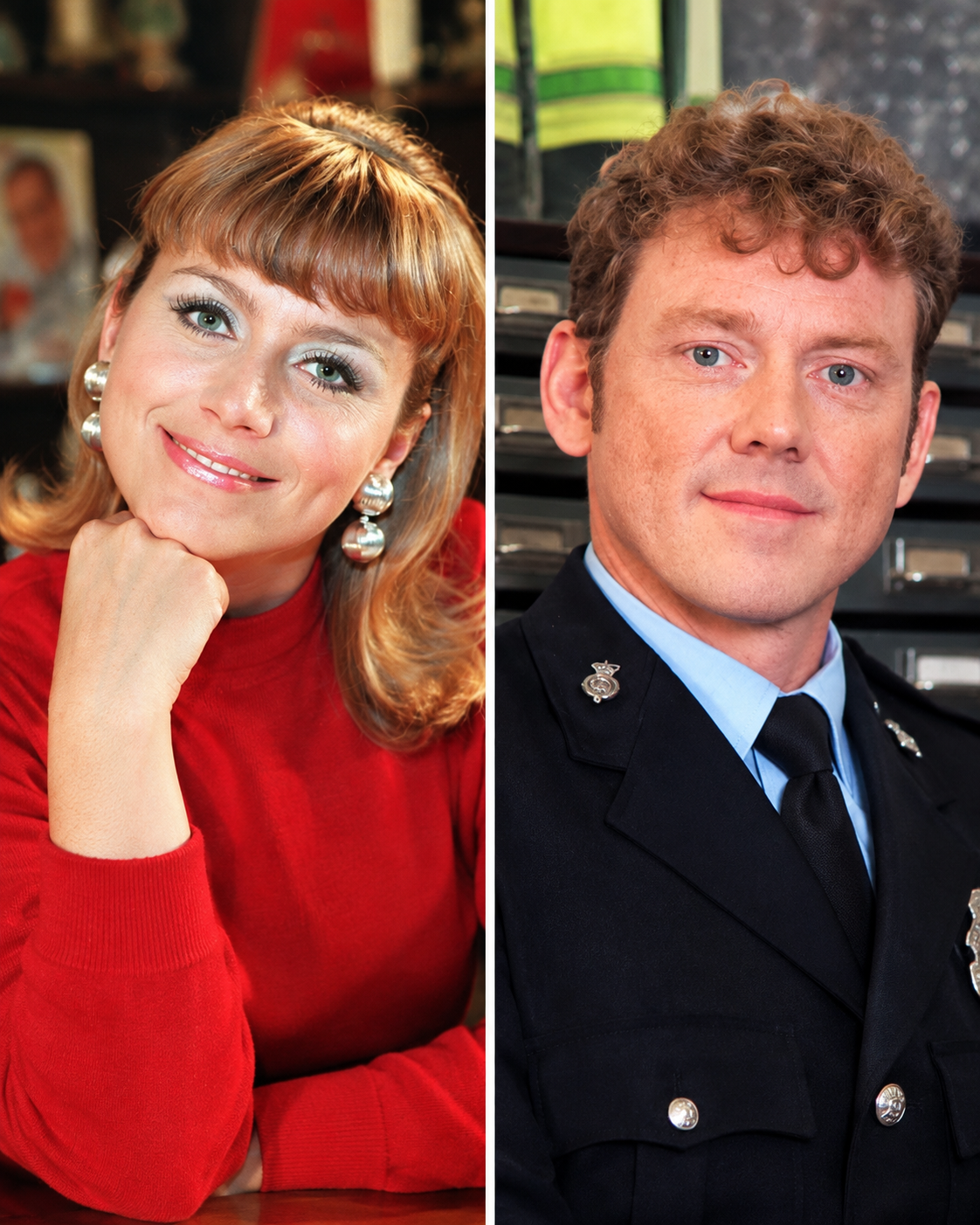
Jackie feels modern without feeling disconnected from the show’s nostalgic world. She is direct, capable, and ready to make decisions for herself, even when those choices complicate her relationships.
That independence matters most in her connection with PC Mike Bradley. Their romance gave Heartbeat another way to explore the tension between ambition, duty, and the expectations placed on couples in a small community where privacy is hard to keep.
Dolman gave Jackie warmth beneath the sharpness, with moments of vulnerability that reminded audiences confidence does not remove the possibility of hurt.
In 2026, Fiona Dolman is 56.
After Heartbeat, she became widely known to another generation as Sarah Barnaby in Midsomer Murders, extending her place in British television drama far beyond Aidensfield.
Jackie remains memorable because Dolman created a woman who does not need to apologize for knowing what she wants. She can be strong and still emotionally exposed, independent and still deeply connected to others.
She endures as one of Heartbeat’s more clear-eyed female characters, determined to define herself rather than wait for the village to do it for her.
Some people are so kind that trouble seems to find them before they even know a plan has begun.
David Stockwell is one of Heartbeat’s great gentle souls, a man so trusting and easily led that disaster often arrives before he realizes anything is wrong.
David Lonsdale was 30 when he joined the series in 1993. He gave David an innocence that quickly made audiences protective of him.
David can be naive, baffled, unlucky, and far too willing to trust the latest scheme from someone more confident. Yet Lonsdale never played him as someone to laugh at cruelly. The comedy came from affection.
David wants to help. He wants to belong. He believes people, even when experience should have taught him to be more suspicious.
His partnerships with Bernie, Vernon, and later Peggy created some of the series’ best comic rhythms, because David often ended up standing in the middle of a catastrophe trying to work out when everything went wrong. Beneath the humor lay deep loyalty and a sincere need to feel useful.
David Lonsdale turns 63 this year.
Outside Heartbeat, he kept working across television, film, and theater, but David Stockwell remains his most beloved role.
The character endures because goodness became his defining quality. He may not understand the scheme, the danger, or why everyone is suddenly angry, but his heart is almost always in the right place.
In a village full of sharp talkers, rogues, and complicated personalities, David offered something wonderfully uncomplicated, kindness. That is why Aidensfield never feels quite complete without him.
Then there was the young officer who had to learn what doing the right thing really costs.
PC Mike Bradley arrives in Heartbeat with the confidence of a young officer trying to prove himself and the vulnerability of a man still learning how much duty can demand.
Jason Durr was 30 when he joined the series in 1997. He gave Mike a fresh emotional drive that helped shape a new phase of the police story lines.
Mike is principled, ambitious, and compassionate, but he is not protected from doubt. In Aidensfield, duty rarely stays separate from personal life. A case can involve friends, neighbors, or people whose pain cannot be reduced to paperwork.
Durr played that tension well, letting Mike remain capable while showing the emotional weight behind difficult decisions. His relationship with Jackie became an important part of the show’s personal world, exploring how love, career, and responsibility can collide when both people have ambitions of their own.
Jason Durr turns 59 this year.
After Heartbeat, he kept working in British television and later became known to another generation of viewers through Casualty.
Mike remains one of the series’ key officers because Durr made him sincere without making him simplistic. He wants to do right, but Heartbeat constantly reminded him that right and easy are rarely the same thing.
He endures as a policeman shaped by the village around him, capable, emotionally open, and increasingly aware that every uniform carries the weight of the people behind the cases.
But the heart of the village was never only in the station. It was in the surgery too.
Dr. Kate Rowan gives Heartbeat its original emotional warmth beyond the police station.
Niamh Cusack was 33 when the series began in 1992. She created a doctor who felt essential to Aidensfield from the very first episode.
Kate sees the village at its most vulnerable, through illness, fear, family conflict, birth, grief, and private pain. That gave her a different relationship with the community than the police officers had. She was not investigating what people had done. She was often helping them survive what had happened.
Cusack played Kate with compassion that never became sentimental. She could be gentle, but she was also strong and professionally certain when the moment demanded it.
Her marriage to PC Nick Rowan helped establish the early identity of Heartbeat, connecting the medical and police worlds through a personal relationship that gave both sides of the show more emotional weight.
Niamh Cusack turns 67 this year.
Outside Heartbeat, she built a distinguished career across theater, television, and film, continuing the tradition of one of Ireland’s most respected acting families.
Kate remains one of the show’s most beloved early figures because Cusack gave the series something vital from the start, tenderness without weakness.
She reminds viewers that a community is protected not only by the officers who respond when something goes wrong, but also by the people who care for the wounds afterward. Her presence helped Heartbeat feel human before audiences realized how attached to Aidensfield they would become.
Years later, another doctor carried that tradition forward.
Dr. Liz Merrick brings a composed, caring presence to Heartbeat’s later years, continuing the series tradition of doctors who understand that medical problems in Aidensfield are rarely only medical.
Isabelle McGoohan was 29 when she joined the show in 2003. She gave Liz the calm intelligence of someone who can handle a crisis without losing sight of the frightened person inside it.
Every patient comes with a family, a history, a secret, or a connection to someone else in the village. Liz became part doctor, part confidant, and sometimes part witness to emotions people had tried hard to hide.
McGoohan played her with quiet sensitivity rather than dramatic flourish, letting competence itself become reassuring. Her presence gave the medical world stability during a period when the cast had already changed many times.
Isabelle McGoohan turns 52 this year.
Beyond Heartbeat, she built a strong career across television, theater, and film, working in both period drama and contemporary productions.
Liz remains a thoughtful part of the show’s medical legacy because her professional calm felt compassionate rather than distant. Often the strength of the character lay in simply being present when another person was frightened.
In a village where secrets are constantly uncovered, she represents the quieter work that comes afterward, listening, treating, and helping people begin to recover.
Dr. Tricia Summerbee brings intelligence, kindness, and emotional clarity into Heartbeat, the kind of doctor who can handle a crisis while still noticing what a patient is too frightened to say.
Claire Calbraith was 27 when she joined the series in 2001. She gave Tricia a warmth that made the character feel approachable at once.
Medicine in Aidensfield is never separate from village life. Illness can expose family tensions, accidents can uncover secrets, and a routine visit may reveal something much larger beneath the surface.
Tricia works because she understands people as well as symptoms. Calbraith gave her professional confidence without making her emotionally remote, which let the character become involved in the wider life of the community while keeping a strong sense of purpose.
Her relationships and personal story lines added another layer, reminding viewers that the people who care for everyone else carry their own hopes and uncertainties.
In 2026, Claire Calbraith is 52.
After Heartbeat, she built a successful career across British television, appearing in dramas including Downton Abbey, Home Fires, and Vera.
Tricia remains memorable because Calbraith made calmness feel active rather than passive. She did not need to dominate a room to change it. A steady voice, a careful question, or a simple refusal to panic could become exactly what another character needed.
She endures as part of Aidensfield’s tradition of care, intelligent, composed, and quietly strong in a village where almost everyone eventually needs help.
Dr. Helen Trent enters Heartbeat with composure, experience, and the kind of emotional maturity that makes people trust her before they fully know her.
Sophie Ward was 40 when she joined the series in 2004. She gave Helen a thoughtful authority that fit naturally into Aidensfield’s medical world.
A village doctor becomes the witness to things other people never see. Behind closed doors are illnesses, family tensions, fear, pride, and secrets patients may not even admit to themselves. Helen carried that responsibility with quiet confidence.
Ward played her with grace rather than distance, staying professional while remaining emotionally available when people needed reassurance. That balance helped the later seasons keep the human focus that had defined Heartbeat from its earliest years.
Sophie Ward turns 62 this year.
Beyond Heartbeat, she built a wide career across television, film, stage, and writing, moving comfortably between period drama and contemporary work.
Helen remains one of the show’s later medical figures because Ward gave her steadiness. She entered a series already rich with history and felt as if she belonged there.
She endures as calm, compassionate, and emotionally mature, another reminder that in Aidensfield some of the most important moments happen not in police chases, but in quiet rooms where someone finally tells the truth.
Now the police station got a sharper edge.
DS Rachel Dawson brings sharper investigative authority into Heartbeat’s later years, a more modern policing energy inside the familiar nostalgic world of Aidensfield.
Clare Wille was 32 when she joined the series in 2005. She gave Rachel the controlled confidence of someone who expects to be taken seriously because she knows exactly what she is doing.
Rachel is intelligent, focused, and professional, yet the role works because competence never removes her humanity. She understands evidence, procedure, and the demands of an investigation, while recognizing that every case involves people whose lives continue after the paperwork is done.
Wille gave the character a measured strength that commanded respect without constant confrontation. Her personal story lines revealed vulnerability beneath the badge, which kept Rachel from becoming merely the efficient detective who arrives to solve problems.
Clare Wille turns 53 this year.
Outside Heartbeat, she kept working across British television and theater, building a varied career through both dramatic and stage roles.
Rachel remains a strong late-series presence because Wille helped the show evolve without losing its familiar heart. She proved that Heartbeat could change its police world while keeping the central idea that made it work.
Cases matter because people matter. Behind every investigation is someone frightened, grieving, lying, protecting, or hoping the truth stays buried.
As the long run neared its end, a new face arrived with a very old name.
Dawn Bellamy brings younger emotional energy into Heartbeat near the end of its long run, arriving with warmth and the sense of someone still discovering where she belongs.
Nikki Sanderson was 24 when she joined the series in 2008. She gave Dawn an openness that suited the show’s gentler emotional tone.
As a receptionist at Ashfordly Police Station, Dawn became part of the daily rhythm of village life. She heard worries, noticed tension, and watched people arrive carrying problems that seemed small until they suddenly were not.
Sanderson played her with softness, making Dawn approachable rather than merely functional. Her connection to the Bellamy name carried extra weight for long-time viewers, linking the show’s final years to one of its most beloved earlier figures.
Nikki Sanderson turns 42 this year.
Before Heartbeat, she was already familiar to viewers from Coronation Street, and afterward she continued a successful soap career in Hollyoaks, becoming well known to a younger television audience.
Dawn remains part of Heartbeat’s final chapter because she represents continuation. The village had changed, people had left, and familiar faces were missing, yet new lives still entered the same spaces and inherited some of the emotional history left behind.
She endures as kind, searching, and quietly connected to the memories that came before her, a late reminder that Aidensfield was always bigger than any one generation.
Dr. Neil Bolton brings calm professionalism into Heartbeat, another steady medical presence in a community where illness often reveals much more than symptoms.
David Michaels was 33 when Neil joined the series in 1997. He gave the character the composed manner of someone people could trust in moments of uncertainty.
In Aidensfield, a doctor must be more than a medical expert. Patients arrive with family tension, fear, secrets, and circumstances that often overlap with police investigations or village gossip. Neil stood at the meeting point between public duty and private pain.
Michaels played him with quiet compassion, as a man who listens before judging and stays steady while everyone else is overwhelmed. His presence helped connect the medical and police worlds and gave the series continuity during a period of changing faces.
David Michaels turns 62 this year.
Outside Heartbeat, he kept acting across television and theater, appearing in a range of British productions.
Neil remains a quieter part of the ensemble, but that restraint is part of his value. Heartbeat did not always need another dramatic personality. Sometimes the village needed someone reliable enough to walk into a difficult room and lower the temperature.
He endures as professional, caring, and quietly important, exactly the kind of doctor a close-knit community hopes will be there when something suddenly goes wrong.
Dr. Ben Norton brings intelligence and restraint into Heartbeat’s medical world, a doctor whose calm manner suggests he is listening to more than the words a patient says.
Richard Lintern was 40 when he joined the series in 2002. He gave Ben a quiet confidence that let the character settle naturally into Aidensfield.
In a village where everybody’s life overlaps, medical work can never exist in isolation. A patient’s injury may connect to a family secret. An illness may expose a fear someone has hidden for years. Ben’s value lay in how he approached those moments without unnecessary drama.
Lintern played him as thoughtful and observant, someone who prefers to understand the full story before deciding what it means. That measured sensitivity gave Ben a grounded place in the community, rather than making him feel like a visitor passing through the medical story lines.
Richard Lintern turns 64 this year.
Beyond Heartbeat, he built a strong career across television, theater, documentary narration, and drama, and later became widely recognized through Silent Witness and other British productions.
Ben remains a steady later-series figure because Lintern makes professionalism feel human. His strength came from patience, intelligence, and the sense that he understood how much can stay hidden beneath an ordinary conversation.
In Aidensfield, that made him exactly the sort of person people eventually need, calm enough to hear the truth when they are finally ready to tell it.
And now we reach two names that many fans carry in their hearts a little closer than the others.
PC Phil Bellamy gives Heartbeat one of its warmest human centers, a policeman audiences trust not because he is perfect, but because he is decent.
Mark Jordan was 28 when he first appeared in the series. He gave Phil the approachable quality of a man who genuinely cares about the village he serves.
Bellamy is friendly, loyal, slightly vulnerable, and often caught between professional duty and personal emotion. That balance made him feel more like a real officer than a television hero. He knew the people of Aidensfield, worried about them, and sometimes carried their problems home with him.
Jordan gave him humor without turning him into comic relief, and softness without weakening the uniform.
His long-running connection with Gina Ward gave the character a life beyond police work. Their relationship added romance, uncertainty, and emotional stakes to a series already built on community ties.
When Bellamy’s story later ended tragically, the impact was powerful precisely because he had become part of the village’s emotional furniture.
In 2026, Mark Jordan is 61.
Away from Heartbeat, he kept working across British television as both an actor and a director, carrying his career beyond the character who made him especially familiar.
Phil remains one of the show’s most beloved officers because Jordan made kindness feel credible. He could make mistakes, misunderstand people, and suffer personally, yet his essential decency never disappeared.
He endures as the sort of policeman viewers wanted Aidensfield to have, loyal, human, and remembered with genuine affection.
Gina Ward became one of the faces most closely tied to the emotional heart of Aidensfield.
Tricia Penrose was 23 when she joined Heartbeat in 1993. She brought Gina a brightness that made the character feel like part of village life from the start.
Gina was never just a familiar face behind a desk or a bar. She became connected to friendship, romance, heartbreak, and the small acts of support that make a community feel real. Penrose gave her an approachable warmth, letting Gina be lively without losing emotional depth.
Her relationships, especially with Phil Bellamy and later Rob Walker, became some of the show’s most memorable personal story lines, because audiences had already spent years caring about her happiness.
When love went well, viewers celebrated with her. When it turned painful, the loss felt shared. That long emotional investment is one reason Gina remains so strongly tied to Heartbeat.
Tricia Penrose turns 56 this year.
Outside the series, she worked across television, theater, music, and entertainment, keeping a familiar public presence after her years in Aidensfield.
Gina remains one of the show’s great emotional anchors because Penrose made her accessible. She was not a distant television heroine. She felt like the person you would expect to see whenever you walked into the pub, someone who knows the stories behind everyone else’s smiles.
She endures because warmth was her strength. Through romance, grief, friendship, and change, she helped make Aidensfield feel less like a setting and more like somewhere viewers had actually known.
Aidensfield may have looked peaceful, but Heartbeat always knew the truth.
Every village has secrets. Every smile can hide pain. And every familiar face carries a story.
The police station, the pub, the surgery, the garage, and those quiet country roads became part of television memory because these characters made them feel lived in.
Some of the performers are still with us, while others are sadly gone. But the warmth, humor, danger, and heartbreak they created still echo through the village.
Which Aidensfield face stayed with you the longest? Tell us in the comments.









